Physical Address
304 North Cardinal St.
Dorchester Center, MA 02124
Physical Address
304 North Cardinal St.
Dorchester Center, MA 02124
At the 2026 Met Gala, rappers treated the green carpet as both runway and gallery. From Doja Cat s molded Saint Laurent to Skepta s embroidered all-white suit and Doechii s barefoot, purple couture, the evening reframed garments as instruments of identity under the Fashion is Art theme.
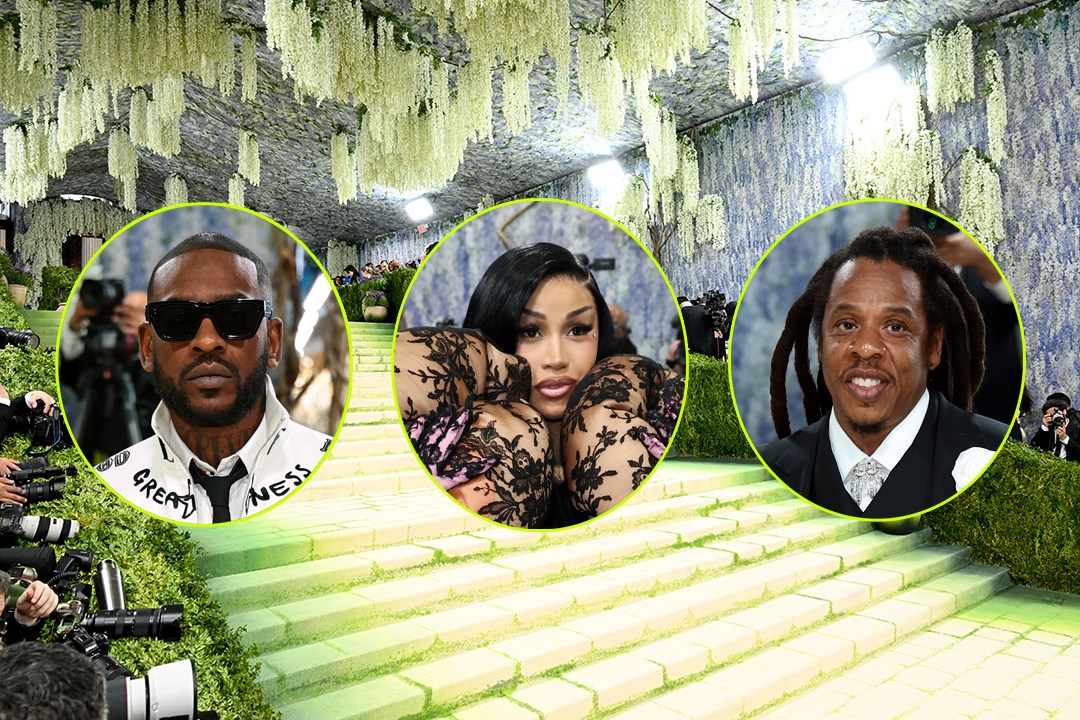
New York mornings in May are usually about thawing sidewalks and the slow bloom of sidewalk cafés. On the first Monday, though, the city folds itself into a single runway: the steps of the Metropolitan Museum of Art become a staged moment where celebrity, commerce and cultural conversation all try to elbow each other for attention. This year, the conversation had a distinct beat. Rappers treated the Met Gala like an album rollout and a gallery opening at once, using the evening to reframe what sartorial risk looks like under the rubric Fashion is Art.
The gala itself returned to the Costume Institute theme with a loose dress code that encouraged literal and interpretive robes, armor, and bodily ornament. At the center of the glow was Beyonce, back at the gala after a ten year absence and serving as one of the night s co-chairs. Her reappearance felt like a quiet reset; she was not just a presence but the gravity many guests orbited.
There was a repeated line among designers, stylists and artists on the carpet: Fashion is Art. But this was not an abstract slogan for one night. It played out in silicone contours, embroidered bodies and barefoot declarations. People came to prove that garments can be instruments of identity, lineage and provocation all at once.
Doja Cat arrived in a Saint Laurent sculpture that read like a technical sketch made wearable: pale, molded silicone shapes that hugged her frame and exaggerated silhouette. It was the kind of outfit that asks viewers to look twice, to consider where clothing ends and constructed anatomy begins. Not far behind, Anderson .Paak swapped his usual groove-first persona for a theatrical tuxedo — black and white patterning that caught light like a jukebox reflection, finished with a blunt bob that softened the look into something slyly retro.
Skepta staged an argument with minimalism by turning white fabric into a canvas. His all-white ensemble carried black-stitched tattoos: a tiny London Bridge, a falcon, and text looping down a pant leg that read like a clipped message. The effect was precise and oddly intimate, like seeing a history of place and symbols sewn onto a suit.
Doechii made perhaps the most literal case for the evening s theme. She walked the green carpet barefoot, in a sheer wash of purple that revealed the athletic lines of her body and a matching turban that reframed headwear as sculpture. The decision to forgo shoes felt less like rebellion and more like a choreographed note: this body is the exhibit.
Cardi B, Jack Harlow, A$AP Rocky and Rihanna all found ways to thread personal histories into the evening. Cardi B leaned on ornament and opulence, Harlow balanced preppy references with sharper tailoring, A$AP Rocky maintained his long-standing reputation as a stylistically adventurous co-chair alumnus, and Rihanna, who has long blurred the boundary between musician and fashion visionary, landed in looks that read like the shorthand of a career spent rewriting rules.
Elsewhere on the carpet, small details kept pulling focus: embroidered hems, unexpected turbans, and the odd appearance of a piano as a prop from a returning André 3000 at last year s gala. That reference to earlier Met moments underscored how the event has become a ledger of cultural gestures, not just a night of pretty clothes.
Speaking to photographers and stylists as they made last minute adjustments, several said they were thinking about durability as much as drama. One stylist noted that guests wanted garments that would hold up under flashes, crowds and the steady commentary of social media. The result was a mix of fragile-looking constructions built on technically sound foundations.
The backdrop of the evening — the museum steps, the green carpet, the press risers — made the clothes read differently than they would on a conventional runway. Fabrics refracted evening light, seams and seamsmanship were visible from the curb, and gestures like going barefoot or adding a headpiece looked like scripted moves in a larger performance about visibility and lineage.
For rap artists in particular, the Met Gala has become a place to assert influence beyond records. The 2025 gala leaned into Black dandyism and saw rappers like Pusha T and Future translate musical authority into sartorial footnotes. This year s arrivals felt like a continuation: a way to stake cultural claims in an arena that reaches fashion editors and fans alike.
By the time the gala doors opened and the museum lights shifted from carpet illumination to exhibit glow, the photographs had already begun to calcify into a narrative: rappers and their collaborators had not only shown up, they had re-asserted a presence that treats clothing as a platform for conversation. In a night built on the idea that fashion can be institutionalized as art, they made it clear that hip-hop remains one of the most generative practices in contemporary style.
For the city, for the Met, and for attendees who chart careers through red carpets and record releases, this version of the Gala felt like a return to something collaborative and restless — a place where performance meets archival intent. The steps will empty, the images will scroll, but tonight will be one of those Met moments that gets cited in playlists and portfolio reels for years to come.