Physical Address
304 North Cardinal St.
Dorchester Center, MA 02124
Physical Address
304 North Cardinal St.
Dorchester Center, MA 02124
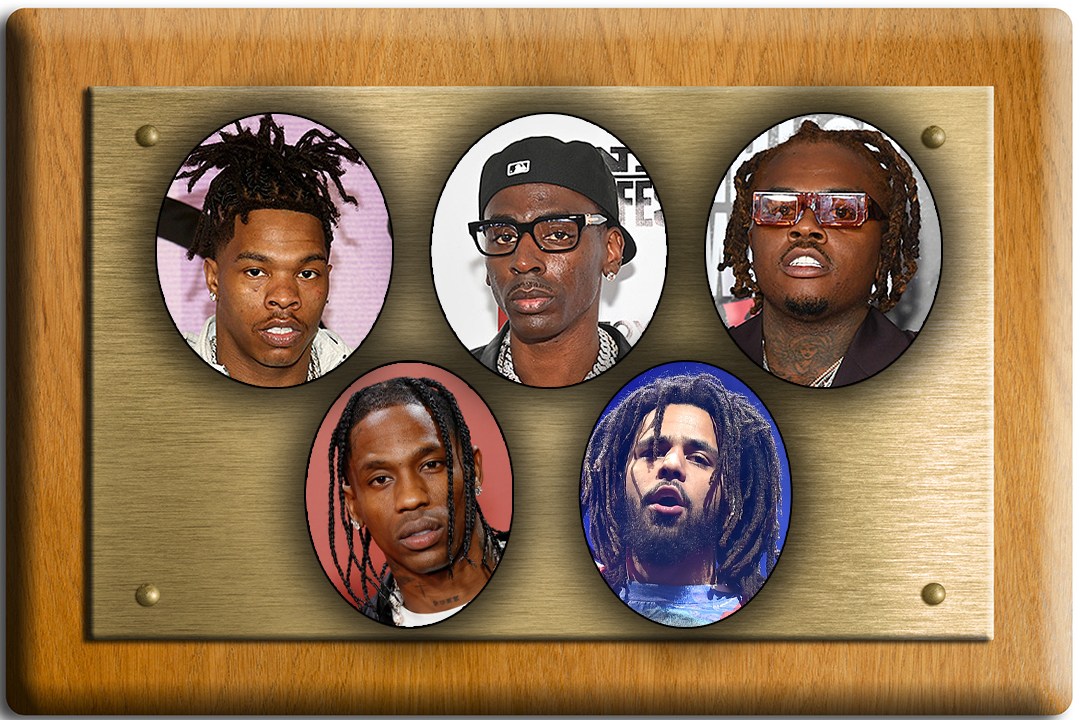
Cities across the U.S. have started naming days after rappers—from Atlanta’s Dominique "Lil Baby" Day on November 13 to Adolph "Young Dolph" Thorton Jr. Day of Service on November 17—turning cultural influence and philanthropy into civic recognition.
There’s a sluggish, strange ritual in American civic life where municipalities coronate cultural figures with a day on the calendar. It’s not about record sales or streaming tallies; it’s a public nod that ties a rapper’s brand to a city’s identity. Over the past decade, that gesture has migrated from parades and keys to the city into something quieter but no less meaningful: an officially named day meant to acknowledge an artist’s cultural influence and, often, their work offstage.
In Atlanta, that translation from stage to street happened in late 2022. The city issued an official proclamation recognizing Dominique “Lil Baby” as more than a chart fixture—calling out both his music and his philanthropy—and Instagram became the place he first shared the news with fans. November 13 was declared Dominique “Lil Baby” Day, a municipal way of saying the rapper’s hometown is slotting him into its civic story.
“The City of Atlanta hereby recognizes Dominique ‘Lil Baby’ for his successful career and his generous philanthropy, and proclaims November 13th as Dominique ‘Lil Baby’ Day.”
That sort of language—formal but selective—appears in other proclamations too. The gesture often translates complicated local feelings about fame, accountability and giving back into one tidy headline. For Lil Baby it was about his public charity work and visibility; for others it’s been a way for cities to lay claim to a figure who carries their name onto screens and stages worldwide.
When Adolph “Young Dolph” Thorton Jr. was killed in 2021, civic recognition turned into a memorial project as much as an honor. During a Celebration of Life event, Tennessee Senator Katrina Robinson publicly declared November 17 as Adolph “Young Dolph” Thorton Jr. Day of Service, a move that local leaders in both Tennessee and Georgia later echoed. The language used around Dolph’s day is explicit about what the name should mean: not just remembrance but action.
“Nov. 17 is Adolph ‘Young Dolph’ Thorton Jr. Day of Service — a day intended to encourage social goodwill and acts of benevolence across the community, reflecting the work he supported in life.”
Elsewhere, cities have extended similar honors to a range of hip-hop figures. Long before the current streaming era, hometown mayors and borough presidents handed out proclamations to artists who put a place on the map: you’ll find acknowledgments for artists as varied as Drake, Kanye West and the Wu-Tang Clan, each recognized at different times for either career milestones, economic impact or charitable initiatives. Those honors rarely smell like gala trophies; they read like shorthand for local pride.
Speaking to the pattern, these days function as civic bookmarks. They’re also part of a larger relationship between artists and their communities—where hometown credibility can be leveraged into community centers, scholarships, relief funds and public statements. For fans, a named day is proof that an artist’s narrative is rooted somewhere beyond the camera lens. For cities, it’s an easy way to celebrate a tax base, a cultural export, and a potential philanthropist all at once.
Not every proclamation survives scrutiny. Critics point out that a dated calendar note doesn’t guarantee sustained investment, and that symbolic days can paper over larger policy failures. Still, for families, neighborhoods and local organizations that have directly benefited from an artist’s donations or programs, the proclamation is more than ceremony: it is recognition that celebrity can be converted into civic capital.
Honorary days won’t measure an artist’s legacy the way sales or critical consensus might, but they do map a different kind of impact—how artists become part of the places that raised them. From Lil Baby’s November nod in Atlanta to Young Dolph’s Day of Service, these proclamations create a calendar you can read as a record of what cities value when they choose to honor one of their own.