Physical Address
304 North Cardinal St.
Dorchester Center, MA 02124
Physical Address
304 North Cardinal St.
Dorchester Center, MA 02124
Lynn Hickson, mother of Jacksonville rapper Lil Poppa, revealed on May 18 that toxicology reports found methamphetamine in his system at the time of his February suicide. She blamed substances for worsening his depression and asked for prayers for the family.
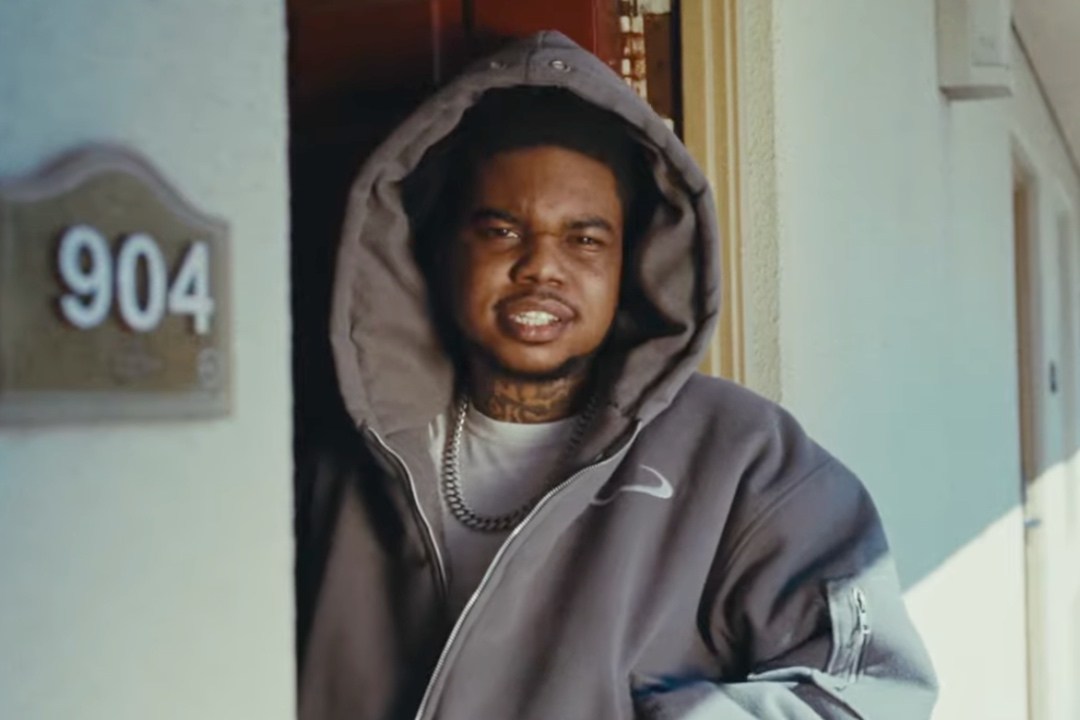
It is a strange, heavy thing to read a family statement that untangles grief and forensic detail in the same breath. On Monday, May 18, Lynn Hickson — Lil Poppa’s mother — posted on Instagram to confirm what the autopsy and toxicology reports revealed: methamphetamine was present in the 25-year-old rapper’s system when he died by a self-inflicted gunshot wound in February.
That sentence carries more than one kind of weight. Lil Poppa, born Janarious Mykel Wheeler, had been a rising figure out of Jacksonville, Florida, known for the blunt, quick cadences that threaded together street narratives and personal pain. His death, reported as following a single-car accident and later ruled a suicide by the Fulton County Medical Examiner’s Office, landed in a year already heavy with loss across hip-hop. The Instagram post made those raw facts intimate again: this was a mother naming what she believes intensified the son she knew into someone who could not be reached.
“The reports confirmed that methamphetamine was in his system at the time of his passing,” Hickson wrote. “As his family, we truly believe the drugs played a major part in what happened.”
The post is more than a medical footnote. Hickson traces a throughline — depression and anxiety, attempts at self-medication, then substances that, she says, altered judgment and made those struggles heavier. “Although he did struggle with depression and anxiety, we know in our hearts that the substances affecting his mind and judgment made an already difficult battle even heavier,” she wrote. “The son we knew and loved would never have wanted to leave behind his child, his family, or the people who cared about him so deeply if he had been in the right state of mind.”
There is a bluntness to her sentence structure that reads like someone trying to be exact without obscuring sorrow: she is not using this to shame him, she explains, but to tell the truth and to warn. “Substance abuse can change a person’s thinking, emotions, and decisions in heartbreaking ways. We are sharing this not to shame him, but to tell the truth and hopefully bring awareness to how dangerous these drugs truly are, especially when someone is already struggling emotionally or mentally,” she continued.
Hickson closes by asking for privacy and for prayers — specifically calling attention to Lil Poppa’s child — and with a line that is both a benediction and an editorial: “If sharing his story can help even one person, then speaking honestly about it matters. Rest easy, son. We love you forever.”
Lil Poppa died on Feb. 18; he was 25. His funeral took place on March 7 in Jacksonville. The coroner’s timeline and the family’s account combine into a picture that is increasingly familiar in contemporary hip-hop coverage: artists battling mental health issues, substance use often present, and families attempting to translate private grief into public caution.
Elsewhere in the conversation about artists lost this year, writers and fans keep circling the same questions: how do we talk about addiction and suicide without simplifying a life into a single cause? How does a scene that prizes honesty and grit also build better safety nets for its own? Hickson’s post adds one more voice to that fraught public discussion — a mother asking for awareness more than absolution.
For those who find this story resonant in more personal ways, resources are available: if you or someone you know is at risk of suicide or contemplating self-harm, call the National Suicide Prevention Lifeline at 800-273-8255, text TALK to 741741, or visit Speakingofsuicide.com for additional information.
In publishing her son’s toxicology results, Hickson has chosen transparency over privacy. It is a choice that will shape how Lil Poppa is remembered: not simply as a name on a list of 2025 losses but as a young artist whose final days were tangled with illness and substances. That complexity is messy. It deserves to be said plainly.