Physical Address
304 North Cardinal St.
Dorchester Center, MA 02124
Physical Address
304 North Cardinal St.
Dorchester Center, MA 02124
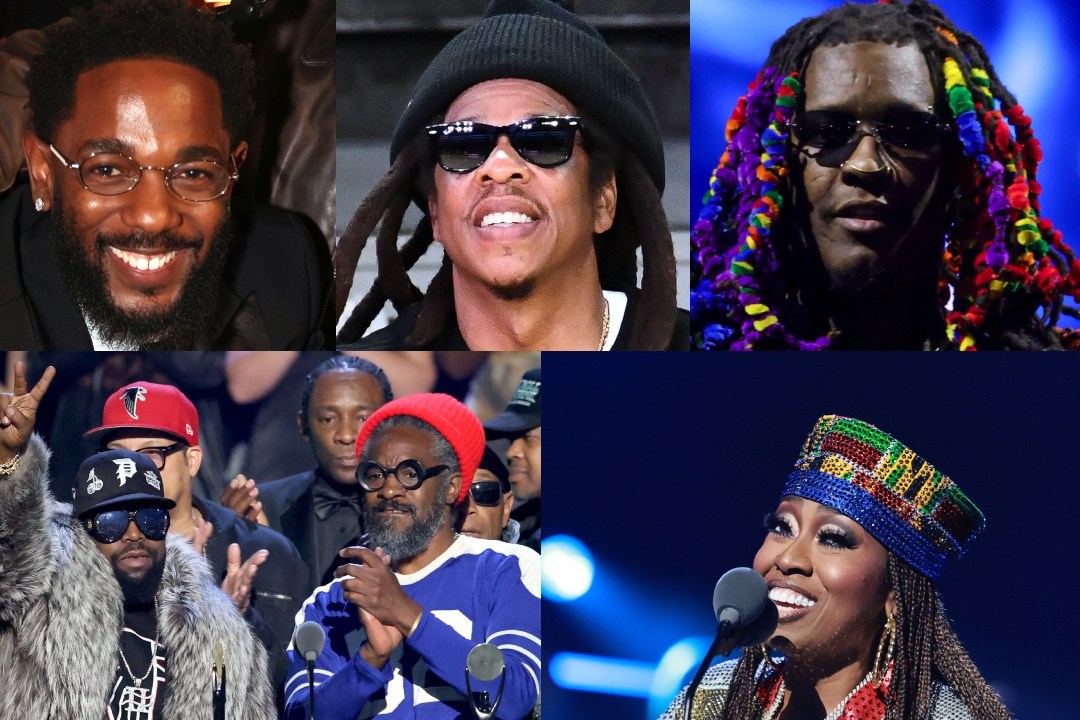
The New York Times' new list of the 30 Greatest Living American Songwriters includes Kendrick Lamar, Young Thug, Jay‑Z, Missy Elliott and OutKast, underscoring hip‑hop’s central role in contemporary songwriting and legacy recognition.
There’s been a slow-burning cultural reassessment over the last decade about how we credit authorship in popular music. Songwriting used to be shorthand for a pen-and-paper composer; now lists like The New York Times’ latest reckoning force a truer accounting of hip-hop’s architects — the storytellers, the producers who double as lyricists, the beatmakers who shape melody as much as groove.
On Monday the paper published its list of the 30 Greatest Living American Songwriters, a roll call drawn from multiple generations and genres. It lands as another sign that the gatekeepers are catching up: rap and R&B names show up not as oddities but as core contributors to the American songbook.
“Chosen by 250 music insiders and six New York Times staff members, the list mixes pop, soul, country and hip-hop, highlighting artists whose work has shaped modern songwriting across decades. The hip-hop cohort includes Kendrick Lamar, Jay‑Z, Young Thug, Missy Elliott and OutKast (Andre 3000 and Big Boi).”
The list folds together elders and breakout stars. Kendrick Lamar and Young Thug stand out as the youngest hip-hop entrants — a reminder that contemporary rap’s influence now sits comfortably next to Motown and classic songwriting teams. Kendrick’s catalog, both solo and collaborative, has produced 23 Top 10 hits on the Billboard Hot 100, including six No. 1 singles; Young Thug arrives with three No. 1s and six Top 10s to his name.
Also represented are Jay‑Z and Missy Elliott, both already enshrined in the Songwriters Hall of Fame. Jay‑Z became the first rapper inducted there in 2017; Missy followed in 2019. OutKast’s Andre 3000 and Big Boi add another flavor — their Southern eccentricity and off‑kilter melodies earned them a Rock & Roll Hall of Fame nod most recently last November.
There’s a useful balance to the broader list: veterans such as Stevie Wonder and Smokey Robinson sit beside modern pop heavyweights like Taylor Swift and Bad Bunny, and industry architects like Jimmy Jam and Terry Lewis, Babyface and The‑Dream. That mix underscores how songwriting now gets measured by influence and adaptability as much as by sheet music.
Elsewhere, the inclusion of producers and multi‑role artists — people who write, produce and perform — signals how the industry’s language about authorship has shifted. Hip‑hop, in particular, has long blurred the lines between writer, performer and producer; having multiple rap figures recognized in a mainstream songwriting list is only the latest acknowledgment.
Speaking to the list as a cultural event matters because these honors carry ecosystem effects: induction into halls of fame, renewed catalog attention, reappraisals that reshape legacy streaming numbers, book deals and museum plaques. They also influence how younger artists think about craft. Kendrick and Young Thug’s presence here suggests the next generation’s bar for songcraft includes cadence, flow, programming and unconventional melody as much as conventional hooks.
There’s a practical throughline, too. Jay‑Z and Missy have long histories of crossover hits, of writing lines that became part of radio vernacular; OutKast rewired song structure in the late ’90s and early ’00s. Kendrick’s work — dense with narrative, layered arrangements and features — reads differently but fits cleanly into the list’s premise: songwriting that reshapes how people hear popular music.
How lists like this age will be telling. They canonize, yes, but they also provoke new conversations about who gets credit and why. For now, the NYT’s selection is another turning point: hip‑hop is not just present in the American songwriting tradition — it is one of its defining currents.