Physical Address
304 North Cardinal St.
Dorchester Center, MA 02124
Physical Address
304 North Cardinal St.
Dorchester Center, MA 02124
Meek Mill took to X on April 27 to claim he’s made $80 million from rap since his 2015 feud with Drake, arguing the money came from independence, touring and his post‑legal-trouble albums rather than the beef itself.
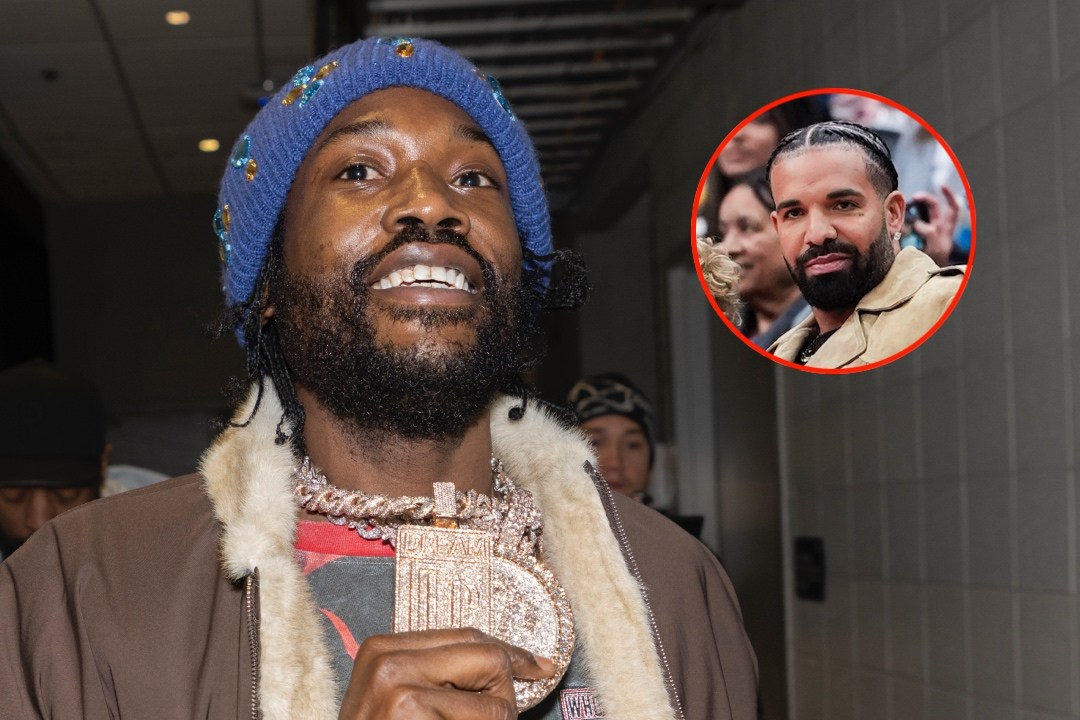
Rap beefs used to be the narrative engines of careers — a viral diss, a headline tour, temporary infamy. But Meek Mill’s latest claim is less about drama than dollars. On April 27, the Philadelphia rapper took to X to frame his last decade as a business rebound and creative renaissance, writing that he’s made a staggering amount from music since his 2015 clash with Drake.
Meek’s posts read like a thread on both vindication and ledger: he credits independence, nonstop touring and a run of records for what he calls an eight-figure comeback.
Since I went independent sh*t been moving so weird, I’m still selling out all my shows that’s why I made that Charlamagne sh*t a issue … I made like $80m off rap since drake beef he not on my level of achievements to tell lies about my brand to the masses .. that was that.
And yes I’m still making money!
He later clarified the mechanics behind the figure, insisting the Drake beef wasn’t the engine for his earnings. Instead, Meek pointed to what followed his legal troubles — the public movement around his case, a renewed fan base and the music he released after getting back to the studio.
Not because of the beef, I went to prison had the biggest movement and came home and made the best album of my life!
That album reference points to Championships, his 2018 LP that went platinum and reintroduced Meek as both an artist and an activist. The timeline is familiar: the 2015 squabble with Drake is widely viewed as a turning point in Meek’s career narrative, but the following years — including his 2017 legal battles and the public outcry that followed — reshaped his profile in ways that weren’t strictly musical. Meek has since leaned into independent release strategies and a heavy touring schedule, and he specifically names selling out shows as proof of momentum.
Elsewhere in the same exchange, Meek targeted Charlamagne Tha God after the Breakfast Club cohost suggested on The Brilliant Idiots podcast last month that Meek never fully recovered from the Drake fallout. That line of commentary set off a predictable social-media back-and-forth: Meek pushed back hard, calling Charlamagne out for underestimating his business.
It’s not an elegant mercantile confession — it’s combative. There’s a bluntness to Meek’s account that mixes pride in a concrete dollar figure with resentment toward cultural gatekeepers who narrate an artist’s career for them. Meek’s framing reframes the Drake beef from a career-ending moment to a ledger entry on a much larger comeback story.
Whether audiences take the $80 million at face value isn’t the point for Meek. The claim is a public assertion of agency: he’s selling out shows, collecting revenue, and defining his own metrics of success. Two names and a decade later, Meek wants the record to show that the aftermath — not the diss track — is what he built his career on.
Meek’s posts remain the clearest public accounting he’s offered so far. The exchange also highlights how the conversation around hip-hop careers has shifted: streaming, touring, merch and brand deals can turn an old controversy into a footnote rather than a millstone.
For now, the headline is simple and loud: Meek Mill says he made $80 million off rap since the Drake beef — and he says he earned it on his own terms.