Physical Address
304 North Cardinal St.
Dorchester Center, MA 02124
Physical Address
304 North Cardinal St.
Dorchester Center, MA 02124
After a May 8 jury convicted four men in Foolio's 2024 killing, his mother Sandrikas Mays posted celebratory messages that drew online backlash. She defended herself, addressed accusations about Foolio's role in Jacksonville's drill scene, and insisted she's not part of the streets.
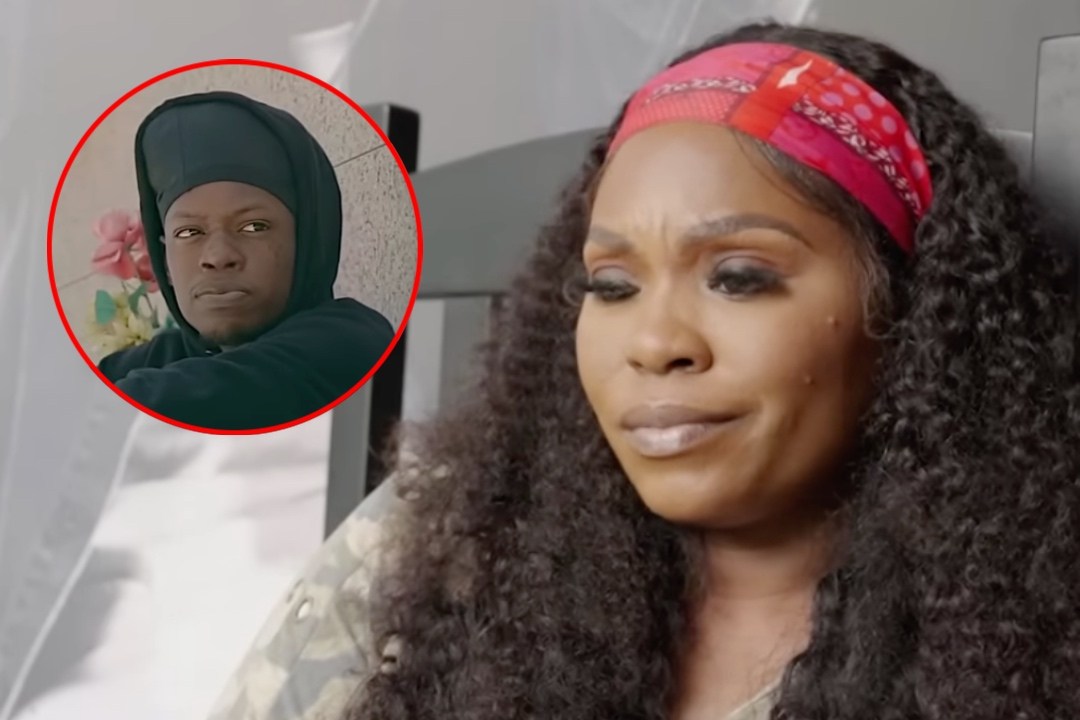
There is a particular ugliness to public grief when it collides with internet scrutiny. In the week after a Jacksonville courtroom found four men guilty of killing the rapper known as Foolio, the conversation quickly shifted from a legal result to an argument about identity, culpability and how a community remembers its dead.
On May 8 a jury convicted Sean Gathright, Isaiah Chance, Rashad Murphy and Davion Murphy of Foolio’s 2024 murder. They now await sentencing and face the prospect of the death penalty — a finality that landed hard for the victim’s family and stirred a volatile reaction online.
Three days later Foolio’s mother, Sandrikas Mays, posted to Facebook to thank supporters and to answer critics who accused her of celebrating what some call the end of a culture rather than the end of a crime. Speaking to that backlash, Mays wrote plainly about where she stands on her son’s life and the music he made.
It’s crazy ppl mad because I’m getting Justice for my son. I’m NOT a gang member nor in the streets. Yes he did Drill!! Did I condone it? NO Did I talk to him about it? Yes… Were ALL the Drill Rappers wrong talking about the decease? Yes. Have he ever been a suspect, person of interest, in ANY homicide? NO !!! JSO Gang Task would have loved to pick him up if they could have.
The post reads like a message meant to both soothe and push back. It refuses a neat framing: Mays insists she is not part of a street apparatus and admits Foolio performed drill, while denying he was a suspect in other killings. For people who have long watched drill music and real-world violence blur into one another, that nuance feels simultaneously obvious and insufficient.
She earlier shared a short Instagram video in which she can be heard rejoicing after the verdict. The clip was captioned with a celebration that landed badly for many observers who felt a more subdued response would have been appropriate.
JUSTICE 4 FOOLIO!!! The Right Get Back !!! G U I L T Y AS CHARGED ….We all gonna cry together!!!! Wat they say ??? Pop a bottle of Don Julio … Let’s Drink up!!!
These two messages — a defiant thank-you and a boisterous victory lap — expose the Internet’s contradictory expectations of bereaved families. Some users argued Mays’ posts were understandable, even necessary; others accused her of reveling in violence because Foolio was associated with Jacksonville’s drill scene and, in the eyes of some critics, with escalating street tensions.
Foolio had been an outspoken figure within that local scene. To fans, his records and videos were part of a larger sound coming out of Jacksonville; to detractors, his rhetoric and presence were implicated in the city’s spiraling disputes. None of that changes the very public reality of a mother losing a son and then watching the men accused of taking him brought to justice. Those two truths exist uneasily together.
Elsewhere in the conversation, commentators noted the procedural next steps: the convicted men will face sentencing hearings where the state could seek the harshest possible penalties. The legal timeline will not erase the online arguments, but it will shape what justice means in this case beyond social-media gestures.
The fallout around Mays’ posts also speaks to a wider pattern in hip-hop culture, where families of those killed often assume complicated public roles — mourner, survivor, advocate, critic. Social platforms flatten those roles into soundbites, and nuance gets chewed up: a funeral collage becomes a meme, a Facebook thank-you becomes proof of malice.
One can sympathize with Mays’ desire to celebrate a legal win after a long, brutal loss while also recognizing why some fans bristle when the same community that lifted an artist up now frames his death in triumph. It’s a messy, human tangle. It’s also a reminder that conversations about drill, accountability and grief aren’t going away just because a jury reached a verdict.
For now, the official work of the courts continues and social media keeps turning. In the middle of that churn, Mays’ posts are less a statement of law and more an airing of grief in real time — flawed, loud, and unavoidable.