Physical Address
304 North Cardinal St.
Dorchester Center, MA 02124
Physical Address
304 North Cardinal St.
Dorchester Center, MA 02124
Cornelius Smith, the last defendant charged in the 2021 killing of Young Dolph, pleaded guilty to second-degree murder on May 15 and received a 20-year sentence as part of a plea deal. Prosecutors say his cooperation was key to convicting Justin Johnson.
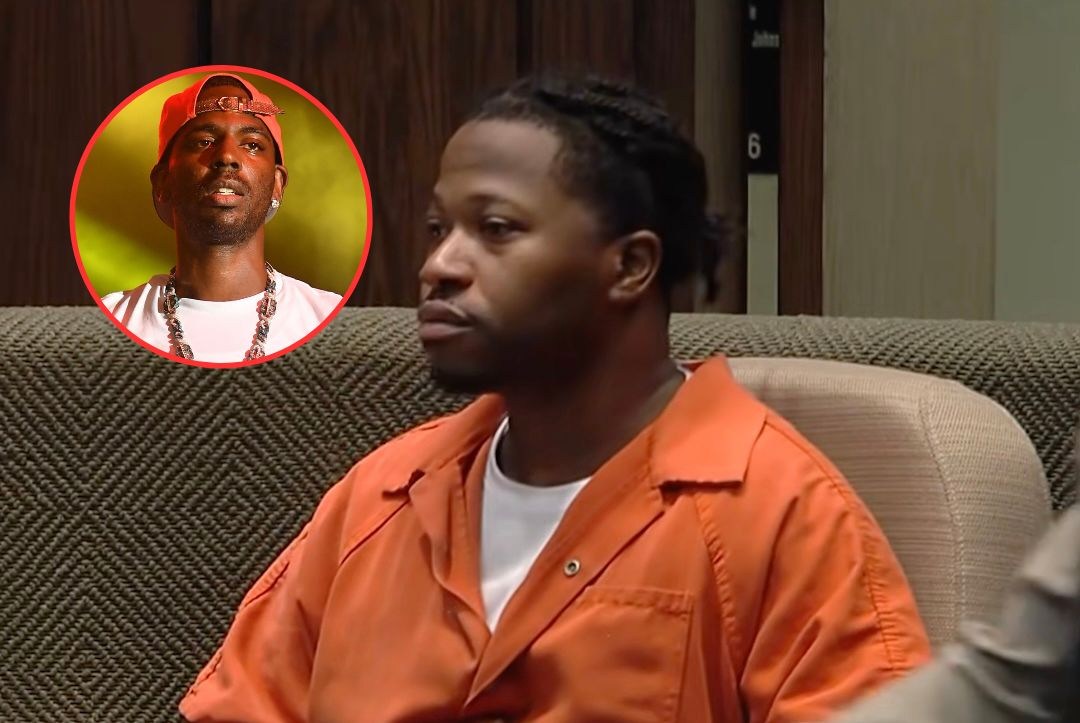
Memphis still feels like two cities when you talk about Young Dolph: the one that made him and the one that never quite forgave what happened in November 2021. That fracture has carried through every hearing and headline since Adolph Thornton Jr.’s death, and on May 15 the legal chapter for the third and final suspect took a turn that, for some, will feel unfinished.
On Friday, 32-year-old Cornelius Smith pleaded guilty to second-degree murder and was sentenced to 20 years behind bars as part of a negotiated plea. Smith had originally faced a slate of charges — first-degree murder, conspiracy to commit first-degree murder and attempted first-degree murder among them — but those counts were dropped under the agreement. Court filings and local reporting indicate Smith will receive credit for time already served, which his attorney, Michael Scholl, says should leave him with roughly 15 years to serve.
The plea was presented to the court in Memphis; Shelby County prosecutors told family members in advance. The most striking moment came not from the sentence itself but from the explanation prosecutors offered for taking a lesser charge: Smith cooperated with the state and testified in the case against Justin Johnson, the man convicted last year for his role in the shooting.
“From his arrest until now, Cornelius has accepted responsibility, and he’s agreed to cooperate,” Shelby County Deputy District Attorney Paul Hagerman told reporters. “[The family] understood and they were in the loop all along that to solve complex cases like this often times you need somebody to cooperate, and that means at the end of the day you have to take a person’s cooperation and truthful testimony into consideration, but I think we struck a balance of something that’s firm and something that gave them a measure of justice that they wanted.”
That cooperation was, by prosecutors’ account, decisive. Smith testified that he and Justin Johnson were carrying out a hit allegedly ordered by Big Jook, who has been widely reported as the late brother of rapper Yo Gotti. Johnson, 27, was convicted of first-degree murder last year and given life in prison plus 35 years. Hernandez Govan, the man accused of orchestrating the plot, was cleared of charges last summer.
For those who watched the trials unfold, the case has always been about more than one person or one motive. Young Dolph’s music — blunt, affectionate to Memphis streets and bluntly self-reliant — became part of the evidence of a life lived in public. His image saturated social feeds and TV segments after the shooting: photos from vigils, clips of concerts, archived studio footage. The legal process has tried to put names and timelines around something that feels irreparable in the city’s cultural memory.
Scholl, Smith’s defense attorney, framed the plea in practical terms after the hearing. He told the media that his client had accepted responsibility and, because of the time Smith has already served in custody, the effective remaining sentence will be shorter than the 20-year headline number. “He’s expected to receive credit for time served,” Scholl said. “That will be reflected when he is transported to state custody.”
There is also a bluntness in how prosecutors described the calculus: complex criminal cases sometimes require cooperation, and cooperation sometimes means a defendant walks away with a lesser count than the original indictment. For the Dolph family and for parts of the public, that tradeoff sits uneasily next to the fact of a young artist’s life ended in a parking lot.
Speaking to reporters after the plea, local outlets noted that Dolph’s relatives were informed ahead of the hearing — a procedural touch that can’t fully account for the weight of the moment. There were no grand gestures in the courthouse reporting, no gavel-banged catharsis. Just a sentence, a paperwork shuffle, and the continuing ripple of how the city’s hip-hop community reckons with the loss.
Elsewhere in the case’s fallout: Justin Johnson’s conviction remains the most decisive outcome to date. His trial produced testimony, phone records and surveillance stills that jurors found persuasive enough to deliver a first-degree murder verdict. The acquittal of Hernandez Govan last year underlined that what might appear to be a single conspiracy can fragment under scrutiny — witnesses change, narratives shift, and a jury sorts what it believes beyond reasonable doubt.
Young Dolph’s music career — from his early tapes to larger releases and collaborations with names across hip-hop — has continued to be mined in cultural conversations about violence, success and street mythology. In this case, the public record now has Smith’s guilty plea as the final entry for the trio of men initially charged.
For listeners who followed Dolph’s catalog and for friends and family who remember him as more than a headline, there is little here that replaces him. Legal closure is a particular thing: it organizes facts, assigns blame, marks time. It rarely feels like justice in the full human sense.
As Memphis moves forward, the sentence handed down Friday will occupy a place in that slow reckoning — a tidy line in case dockets and a messy, stubborn absence in playlists and memories.