Physical Address
304 North Cardinal St.
Dorchester Center, MA 02124
Physical Address
304 North Cardinal St.
Dorchester Center, MA 02124
Cassie Ventura filed a May 1 declaration saying she no longer resides in the United States and won’t return, a move tied to a new lawsuit by Clayton Howard. The filing follows her testimony in the trial of Sean "Diddy" Combs and a reported $20 million settlement.
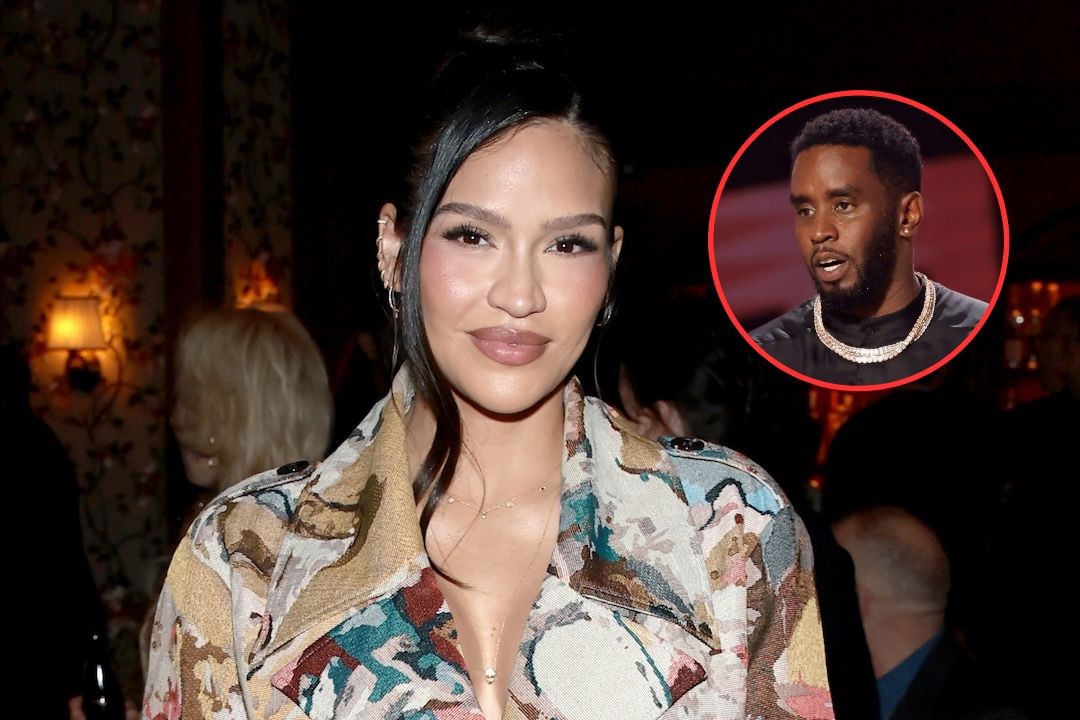
When the Diddy trial pulled a decade of allegations into public view, it rerouted several lives. One of the ripple effects is now visible on paper: Cassie Ventura has formally told a court she no longer lives in the United States.
In a declaration filed May 1 and obtained by XXL, the former R&B singer is upfront about geography and availability. The filing was submitted as part of her response to a civil suit brought by Clayton Howard, a male sex worker who says he was involved in encounters tied to parties hosted by Diddy and Cassie. In the short, blunt language of legal filings she makes clear her current status.
“Although she is a citizen of the United States, she is not a resident of the State of California and resides outside of the United States and does not intend to move back to the United States.”
The document also flags logistics: Cassie says that if Howard’s case moves forward it would be more convenient for her to testify in New York City because that is where her lawyers are based. The filing does not say where she has relocated or when she left American soil.
That quiet line about living abroad arrives against the well-documented backdrop of last year’s courtroom drama. Cassie was a witness in Sean “Diddy” Combs’ racketeering and sex trafficking case, where she spoke about the abuse she says she endured during a long relationship with the music mogul. During that testimony she confirmed receiving what she described as a $20 million settlement to resolve her lawsuit against Combs.
Combs was convicted in July 2025 on two counts of transportation to engage in prostitution, acquitted on other racketeering and trafficking counts, and in October 2025 sentenced to 50 months in prison. He is scheduled for release in April 2028.
Howard’s complaint, filed July 3, 2025, threads directly into that history. He alleges he was one of several male sex workers present at parties and says Cassie gave him a sexually transmitted disease, terminated a pregnancy he claims resulted from their encounter without his knowledge, and coerced him into taking ecstasy. He also alleges prolonged unprotected sex that left him with physical and psychological harms. Howard’s suit seeks damages for lost wages and benefits, medical expenses, pain and suffering, and diminished quality of life.
There is something discreet about this phase of Cassie’s story: no public Instagram declarations, no new tour dates, just a legal posture that positions her outside the jurisdiction where the suit was filed. It’s a practical move—her lawyers in New York, her availability tied to convenience—but it also reads as another boundary being drawn after a public trial that was intimate and invasive.
Elsewhere in filings and testimony last year Cassie laid out a decade-long relationship that she said involved physical, sexual, and emotional abuse. That testimony helped shape a larger narrative inside the courtroom about power, access, and the music industry’s shadow economy of parties and paid encounters. Howard’s complaint attempts to translate that narrative into individual damages and new legal exposure for the two people named in his suit.
Speaking to XXL and to court records, the matter now sits in civil process: motions, responses, calendar dates. Cassie’s May declaration doesn’t settle the underlying allegations; it simply says she intends to remain abroad and makes a logistical case for where she could be expected to appear if required.
For Cassie, whose pop-R&B single “Me & U” once made her a household name, this feels like another iteration of withdrawal from the spotlight—a relocation that is practical, legal, and, arguably, protective. For the court and for Howard, it is an inconvenient fact: the witness most directly referenced is not locally present. How that matters to the progression of the suit is a story for the next round of filings.
The filings leave open small, pointed questions: Where is Cassie living now? When did she leave? Will she come back to appear in person? For now, the formal answer is a single sentence in a court document and the implication that much of the fallout from one very public trial is still being sorted in quieter rooms.