Physical Address
304 North Cardinal St.
Dorchester Center, MA 02124
Physical Address
304 North Cardinal St.
Dorchester Center, MA 02124
Bobby Shmurda used Instagram on June 2 to accuse Jay-Z's attorney Alex Spiro of helping force his 2016 plea. The Brooklyn rapper ties his plea, six-year prison term and a stalled Epic Records deal into a broader grievance about power in hip-hop.
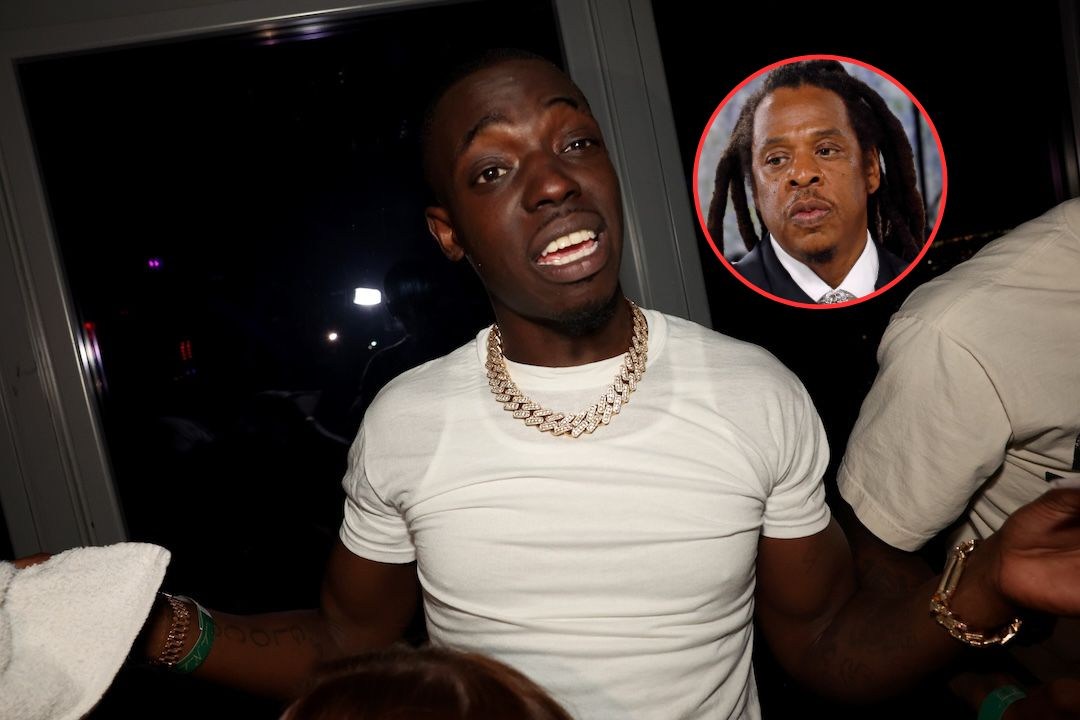
There is a strange persistence to old New York rap dramas. They keep coming back, staged now on Instagram posts and public grudges rather than backyard mixtapes and radio call-ins. Bobby Shmurda, who exploded out of Brooklyn in 2014 with Hot Ni**a and then disappeared into a high-profile criminal case, spent the first week of June reactivating one of those resentments and pointing it at a figure who lives in the boardroom as much as in the headlines.
On Tuesday, June 2, Shmurda published a string of posts accusing Jay-Z’s Roc Nation attorney Alex Spiro of playing a role in his 2016 plea and subsequent incarceration. The posts are long, restless, raw — alternately legal gripe and street-level grievance — and they fold Bobby’s own history as a young, fast-rising artist into a complaint about power and leverage in the music business.
In one extended passage he frames the moment as David vs a billionaire. He recalls being 19 and “less fortunate,” and locates the responsibility not just with prosecutors and judges but with a lawyer tied to one of hip-hop’s most visible empires.
Now This is a billionaire 40 years old man at the time. I was a 19 year old less fortunate youth from the hood trying to make it out and this what they was doing at the top. Now that I’m out of jail after his lawyer put me in there, Alex Spyro, which is public. You can look it up I told him I was forced. The judge said he didn’t care he was sending me and all my friends upstate and we can get it on appeal.
He goes on to tie the legal chapter to record-business complaints, saying the time behind bars kept him locked into an Epic Records deal while other artists moved freely. That claim — that he was the only artist held on a major-label contract while serving six years — is a charge about industry inertia as much as it is about legal coercion.
I knew they wanted to make up for it so when I came home from prison, I knew they were the only one that can give me out of the Epic deal I was held on for six years in prison. I was the only artist that was held on a deal for six years major label AKA billion dollar company. There’s people out here doing unprovocative things for deals. Lol that I don’t give a F about I’m just like leave me alone.
For context: Bobby accepted a plea agreement in September 2016, pleading guilty to third-degree conspiracy and weapons possession related to a 2014 case. He was sentenced to seven years and released in February 2021 after serving roughly six years. His Instagram asserts coercion and suggests the judge dismissed his claims at the time, while also hinting that an appeal pathway remained.
Elsewhere in the post he complains about what he calls shadow bans and bad press, arguing those forces suppressed his music and social content while he was incarcerated. The tone is part grievance, part inventory of slights — a common posture from artists who feel wronged by both the justice system and the industry that profited from them.
XXL has reached out to Jay-Z’s team and to Alex Spiro for comment. Representatives had not responded at the time of publication.
This is not the first time Shmurda has publicly criticized Jay-Z. In the spring he took aim at Hov’s 2026 Roots Picnic freestyle, a moment that had Hov name-checking a string of peers and beefs — Drake, Tory Lanez, Nicki Minaj, Ye, Dame Dash among them. Bobby dismissed the performance as an artist past his reckoning, posting a line that read in part Ni**as be 56 years old going through identity christ and mocking what he saw as an older rapper fumbling for a next move.
Speaking in truncated, furious bursts online has been part of Bobby’s post-release rhythm. He arrives at these arguments from three places at once: lived experience of incarceration, the early brilliance of a viral hit, and the awkwardness of returning to an industry that keeps moving without you.
Whether any of his legal claims about Spiro will be pursued beyond social media is unclear. What is clear is that the complaint taps into a larger, recurring narrative in hip-hop — that artists from disadvantaged backgrounds are often the collateral in bargains struck by wealthier players and powerful institutions.
For now, the exchanges remain public posts and old court records. The next step, if there is one, would be a legal challenge or a more detailed public accounting. Until then, Bobby’s Instagram reads like an extended reckoning, a reminder that some of hip-hop’s old stories refuse to stay buried.