Physical Address
304 North Cardinal St.
Dorchester Center, MA 02124
Physical Address
304 North Cardinal St.
Dorchester Center, MA 02124
Drake’s Iceman has become a communal beat source: Lucki marking his 30th over "Plot Twist," Lil Tjay turning "Janice STFU" into a public grievance, Lupe revisiting a viral onstage moment on "Shabang," and Conway probing his recovery on "Make Them Pay."
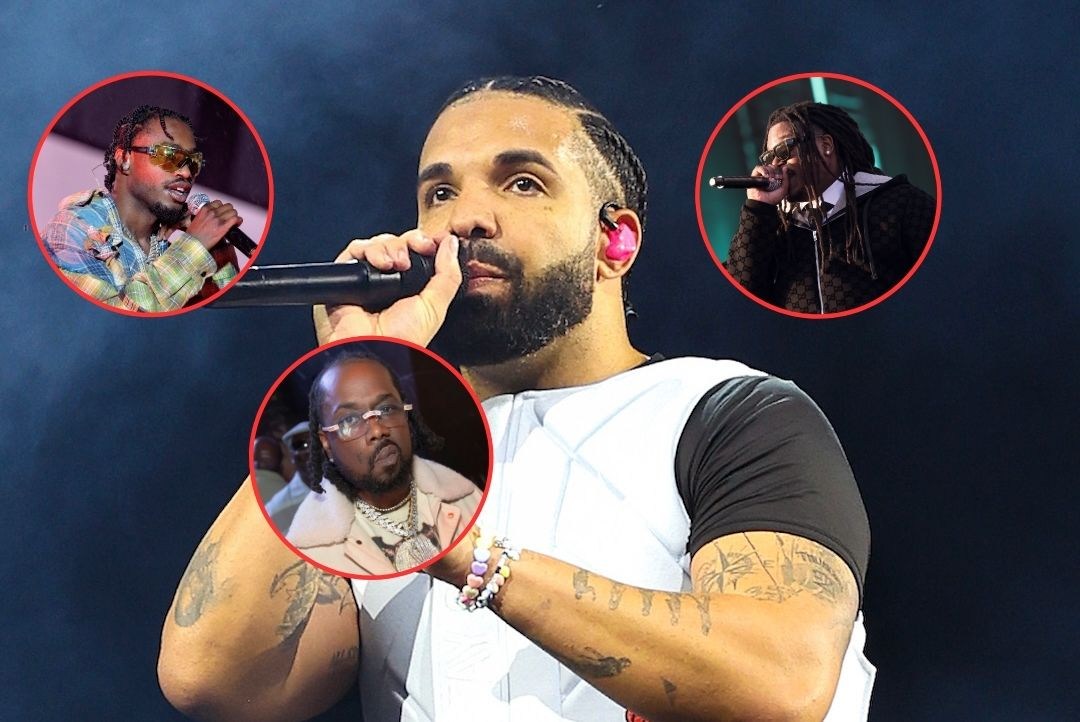
There’s a specific kind of echo that happens when a major pop-rap record slips into street rotation: producers hear their sounds differently, DJs flip tempos, and other rappers map their lives onto the same instrumentals. That’s the scene around Drake’s Iceman right now. The album arrived with the usual buzz, but in the days since, its beats have turned into a communal canvas — Lucki counting cash at a birthday table, Lil Tjay airing grievances over a synth line, Lupe reworking a hook into a city-side lament, Conway rethinking survival with a melody hanging behind him.
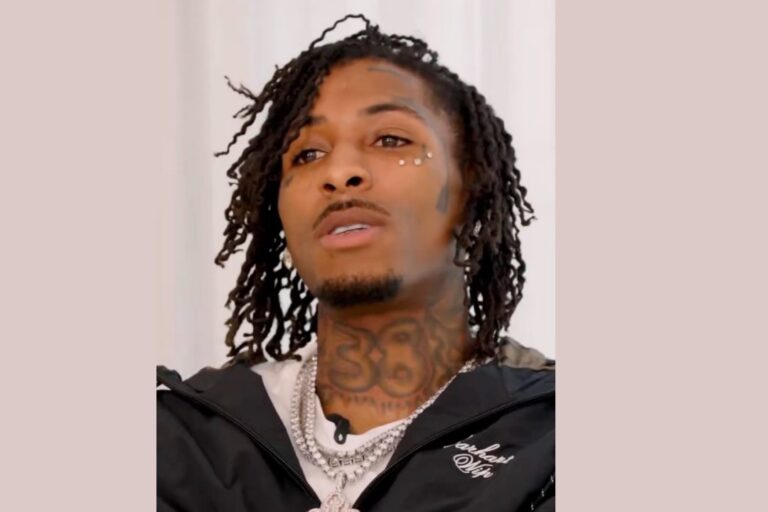
On May 29, the day he turned 30, Lucki posted a short clip that feels like a study in understated ritual. Over the icy, haunted textures of “Plot Twist,” he eats with friends, nudges a stack of bills across the table and raps in that signature, opaque monotone. He doesn’t do much showmanship—no choreographed moves, no visible stage. It’s a living-room moment turned into a performance. That restraint made the freestyle land; the camera lingers on his hands, on the way he counts and gestures, as if the beat lets him keep his distance from spectacle.
“It’s quiet but heavy,” he seems to be saying in the clip — the counting, the small grin at the end, the way the melody keeps looping. You get the sense he’s marking time more than celebrating.
Elsewhere in New York, Lil Tjay grabbed the synth-heavy bed of “Janice STFU” and used it like a microphone for grievance. He flips the stingy, accusatory energy of Drake’s track back at the world that surrounds him: social-media harassment, public family scrutiny, relationships that ask too much. He pushes the chorus-hard beat forward and lets the melody carry the indignation; it’s less about bravado and more about clearing a space to say, plainly, I’m tired of this.
Lupe Fiasco’s take on “Shabang” traded Drake’s adlib-driven bounce for a different tempo of accountability. Lupe has always been a complicated figure — the Midwestern intellect prone to viral controversy — and his “CliqueBang” twist felt like a mini reckoning. He addresses a recent viral clip in which he scolded a crowd after a memory lapse onstage, folding that moment into the freestyle so the performance becomes a corrective, not an avoidance. It’s Lupe with the mic as mirror: he’s willing to replay the uncomfortable footage, to speak against how quickly public narratives calcify.
Then there’s Conway The Machine, who landed somewhere quieter and grimmer on Drake’s “Make Them Pay” beat. Conway’s voice—razor-dry and raw—traverses questions most rappers tuck behind metaphors. He raps about the calculus of a face he cannot fully control, about whether to get surgery to deal with his paralysis, and about the slow work of separating himself from people who have siphoned trust. The melodic piano underlines rather than softens; Drake’s original cadence sits beneath Conway’s bars like a remembered hurt.
“Do I change the face to stay the same?” Conway asks in his verse, a line that sits between practical logistics and existential inventory. It’s not posturing; it’s confession with rhythm.
What ties these freestyles together isn’t mimicry but appropriation for personal weather. Drake’s Iceman supplies cold, reverberant rooms — synths that suggest distance, drums that snap like questions — and the visiting artists come with different answers. Lucki’s clip, with its birthday candle light and tight close-ups, turns the beat into a film-noir aside. Lil Tjay uses the same palette for a public service announcement about online cruelty. Lupe reframes a walking-back moment as self-accountability. Conway turns a Drake melody into a private interrogation.
That cross-pollination is a reminder of a simple truth in rap culture: a well-made beat is a neighborhood utility. Producers and hook writers build the scaffolding; rappers bring their weather reports. Sometimes those reports are petty, sometimes tender, sometimes brutal. The results are worth listening to because they show how a single record can spawn new narratives and new angles on risk, success and apology.
Speaking to the broader pattern, you don’t need a formal remix package to claim an instrumental. Social feeds and tight edits have become the new A&R rooms — a two-minute clip on Instagram can be more decisive than a radio add. That’s how these freestyles spread: a camera phone, a tight edit, a beat recontextualized.
Below are the posts that circulated the fastest. They’re raw, sometimes messy, and occasionally discomfiting — but they also feel utterly necessary right now, sounding the ways different artists inhabit the same sonic real estate.
Lucki — “Plot Twist Freestyle”
Lil Tjay — “Deep Sleep (Janice STFU Freestyle)”
Lupe Fiasco — “CliqueBang”
Conway The Machine — “Free (Make Them Pay Freestyle)”
At the end of the day, these clips underline how internet-era rap operates: songs are starting points, not endpoints. Drake’s Iceman will be judged by sales and critics and headlines, but its afterlife—this livestreamed sprawl of alternate takes and self-examinations—may be a better indicator of how songs live in the present tense. For now, the beats keep circulating and the rappers keep answering them, line by line.