Physical Address
304 North Cardinal St.
Dorchester Center, MA 02124
Physical Address
304 North Cardinal St.
Dorchester Center, MA 02124
Drake's Shabang has become a viral editing challenge. Creators and celebrities time cuts to the beat, making drinks and objects appear on cue. The trend underlines how a hit record from Iceman is migrating from charts into everyday internet rituals.
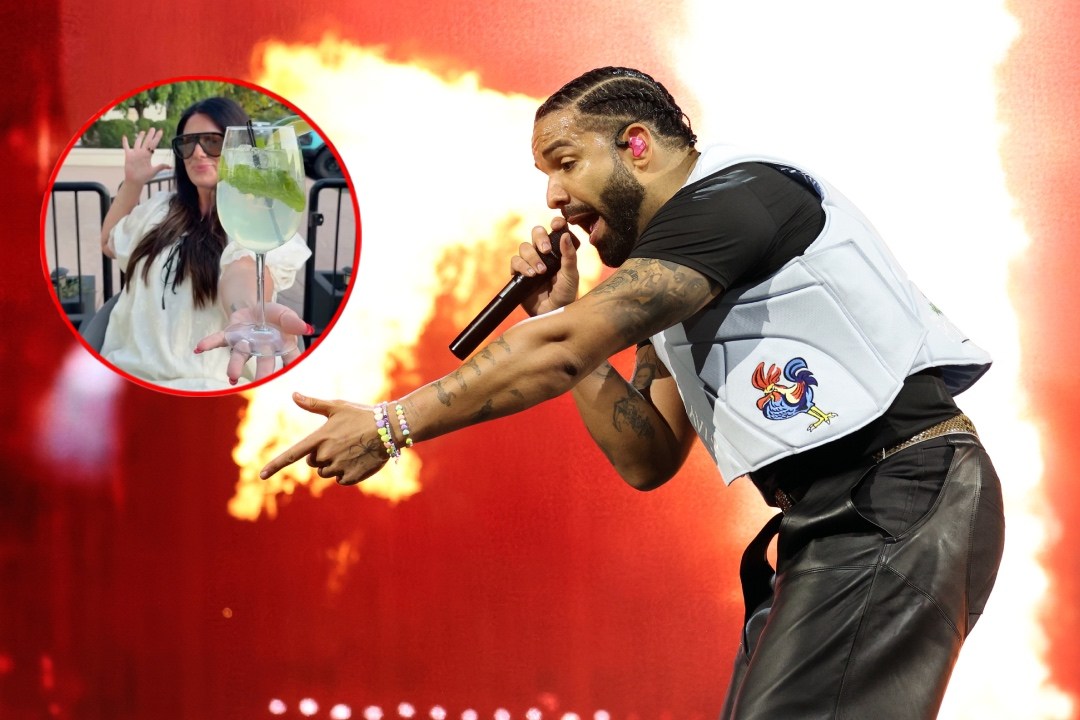
There is a particular moment in pop culture when a song stops being just a song and starts operating like a social tool. Drake reached that point this spring with Shabang, a cut from his sprawling Iceman rollout that has slipped out of streaming playlists and into meme lanes. Clips of people making drinks, snacks, even sneakers appear mid-routine to the beat have streamed across TikTok and Instagram, turning the song into a low-key visual exercise in timing and sleight of hand.
The recipe is obvious on playback. The beat, credited to Maneesh and longtime Drake collaborator 40, drops into a clipped groove where ad-libs from Quavo and the late Takeoff punctuate a hooky vocal. At the exact line where Drake raps Maneesh on the beat, shabang, the edits snap. In one viral clip a hand flips a cup; in another, a bartender makes an espresso leap across the frame. Idris Elba, Summer Walker, and Stunna Sandy have all posted their versions, which only feeds the impulse to one-up the setup.
‘This song feel like summer weather turned into a filter. People are timing it like it was made for magic tricks,’ wrote Offset after posting his own take, calling the track song of the summer. The line stuck. Once a rapper with Offset’s visibility labels a moment, other creators rush to translate it into their own language.
That translation is part cultural shorthand and part technical curiosity. The most effective clips use quick cuts and match-on-action edits so that the visual snap lands exactly when the instrumental hits. Fans aren’t just copying each other; they’re showing an intuitive understanding of the song’s internal clock, which says something about how modern audiences listen. You don’t just feel a groove anymore; you map content around it.
‘I made the first one with a cheap tripod and my roommate’s iced coffee. By the third take I had it so the cup appears on the snare hit. People liked that it was messy, not perfect. It felt like playing with a sound everyone already knew,’ a creator who posted a clip that later got picked up by several pages told me in a DM. ‘The edits are the fun part. The song gives you that little window.’
Elsewhere on the Iceman album, the commercial picture has been impossible to ignore. The album debuted at No. 1 on the Billboard 200, and its sibling projects Habibti and Maid of Honour landed at Nos. 2 and 3. Forty-two songs from the era charted on the Hot 100, including Janice STFU, which arrived at No. 1. With the momentum, Drake also moved past Michael Jackson in an industry stat: the most No. 1 songs by a male solo artist. He even teased that moment on the album artwork, photographed wearing Michael Jackson’s crystal-studded glove, reportedly purchased for 123,000 in 2023.
All of that context helps explain why a single moment in Shabang became a national pastime. When a global star releases an album at Drake’s scale, every beat, ad-lib, and production tag is potential raw material. Producers like 40 and Maneesh become not just names in the credits but reference points for creators who want to work within that sonic universe. Rappers have also been going viral for rapping over multiple Iceman beats, flipping stems and running with the album’s textures.
There is a mild absurdity to it. A line that could be read as threatening in another era is now the audio cue for a coffee trick. Still, the transformation matters because it reveals how music migrates across platforms. A chart position is one kind of proof. A person teaching themselves an edit in their living room is another, and maybe more revealing of how a song will live in culture over time.
Whether Shabang endures beyond the meme cycle remains to be seen. For now it is doing what the best viral moments do: plugging a record more tightly into daily life and forcing even skeptical listeners to look up and learn the move. The challenge is, at the very least, an efficient way to turn a chorus into a small shared ritual.