Physical Address
304 North Cardinal St.
Dorchester Center, MA 02124
Physical Address
304 North Cardinal St.
Dorchester Center, MA 02124
Boosie BadAzz posted that transgender people would not be allowed at his June 20 topless pool party, sparking mixed reactions. He defended the stance in a follow-up video, comparing it to dress codes and arguing for 'straight rights.' The debate reopened questions about exclusion in nightlife.
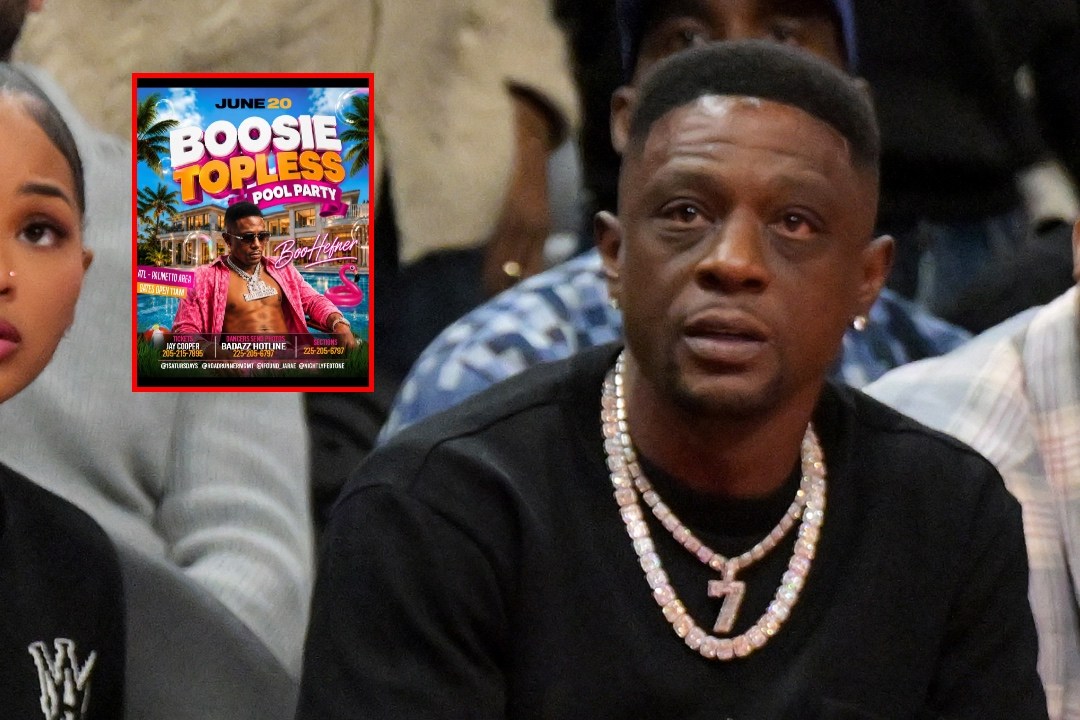
Nightlife and bodies have always been policed in hip-hop spaces, and this month that policing landed on Boosie BadAzz’s Instagram. The Louisiana rapper, who came up in the mid-2000s Trill Entertainment orbit with hits like ‘Wipe Me Down’ and frequent collaborations with Webbie, has a habit of turning simple promotional posts into larger cultural skirmishes. What began as a June 20 topless pool party in Georgia turned into one of those moments.
On June 6 Boosie shared a screenshot of a DM he said he’d received asking whether transgender people were welcome at the event. The screenshot was accompanied by a blunt caption; Boosie wrote in all caps that there would be ‘no trannys allowed,’ and insisted his team would be doing visual checks.
‘NO TRANNYS ALLOWED AT THE TOPLESS POOL PARTY,’ he wrote. ‘WE WILL BE CHECKING Adam’s apples n STRONG FACIAL FEATURES n LARGE HANDS. I tried to be respectful I said MS.’
The post landed the way these things do — split public opinion, screenshots multiplied across timelines, and threads where people tried to untangle questions about safety, discrimination, and intent. Some responses treated the post with incredulity and dark humor: ‘Lmao who tf on Adam’s apple duty,’ one commenter wrote. Others pointed to a longer pattern of exclusion and asked why transgender people would even try to enter a space clearly advertised as excluding them.
Boosie followed up with a clip addressing the fallout. In the video he framed his stance as no different from venue policies he said people accept all the time, like dress codes banning ripped jeans or hats. Then he moved to a familiar rhetorical posture: deflection into reverse victimhood.
‘But now you wanna say, ‘You gay.’ You wanna bully people,’ he said. ‘Y’all fought for gay rights for 23, 30 years. We said nothing. Maybe we should fight for straight rights.’
There are two things to keep in view here. One is Boosie as a performer and cultural figure: he built a career on bluntness and boundary-pushing, and he often uses social media to speak in ways that feel calibrated for outrage. The other is the larger cultural moment — nightlife, especially spaces that trade on sexual display, is constantly negotiating who is allowed inside and on what terms. When a promoter or artist publicly declares that a protected group is not welcome, the conversation quickly becomes less about taste and more about law and human dignity.
Elsewhere in the thread, people pointed out practical problems with Boosie’s checklist: visual policing is crude, prone to error, and opens the door to harassment. It also asks bystanders or staff to perform gender policing in real time, a task that has led to violence in other contexts. Supporters of Boosie leaned on ideas about private events and the rights of organizers to curate an atmosphere — the standard response when exclusion meets commerce.
Speaking to the artist’s history matters here because this is not the first time Boosie has been criticized for comments about queer people. That history changes how a post like this lands. For some, it’s a consistent throughline; for others, it’s framed as an ill-considered attempt to keep a specific vibe at a party.
Whatever the intent, the episode is a reminder that policing presence at parties is not a small, apolitical thing. It’s where entertainment, commerce, prejudice, and safety all collide, and social-media posts like Boosie’s turn that collision into public theater. The June 20 event will be a footnote in his timeline, but the conversation it restarted about exclusion in nightlife is one that keeps coming back.
‘We can argue about whether a private promoter can set rules,’ the comments thread suggested, ‘but the practical effect is the same.’ That observation will outlast any single Instagram story.