Physical Address
304 North Cardinal St.
Dorchester Center, MA 02124
Physical Address
304 North Cardinal St.
Dorchester Center, MA 02124
Chance the Rapper posted an Instagram letter on June 3 that reframes Frederick Douglass's 1852 critique and challenges how America teaches and remembers.
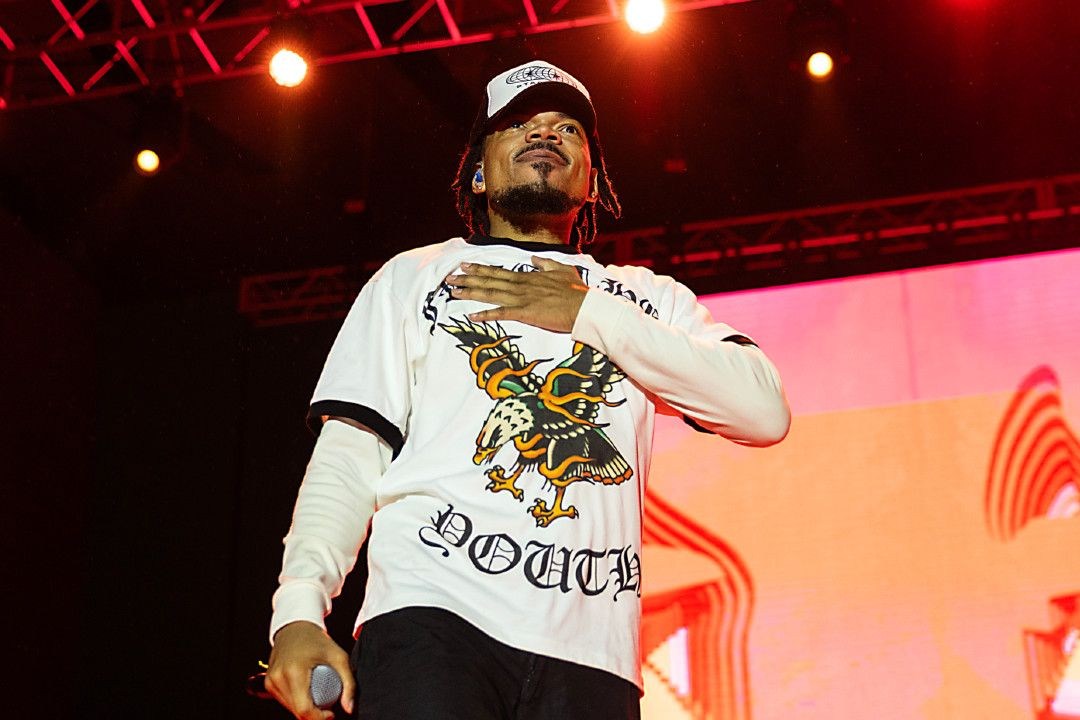
Chance the Rapper used the build-up to the Fourth of July to do something a holiday rarely invites: ask hard questions. In an Instagram post on Friday (June 3), the Chicago rapper — now a Grammy-winning MC — published a long open letter that borrows the frame of Frederick Douglass’s 1852 address to pry at what the nation remembers, what it celebrates and what it still refuses to teach.
Inspired by Frederick Douglass’ historic 1852 speech, “What to the Slave Is the Fourth of July?”, Chance flipped the original provocation and posed a contemporary variant: “What to the Fourth of July is Juneteenth?” The move is small and exact, a rhetorical pivot that re-centers Black freedom within the holiday conversation.
He does not let the country off easy. Writing with a mixture of disappointment and guarded hope, Chance lays out what he sees as America’s failure to reckon fully with its past while insisting that change is still possible.
“I love you for what you could be,” Chance writes. “You are not the lies you tell, America. You are the choices you make.”
Part of his critique focuses on education and erasure. The letter pushes back against a rising impulse to soften or scrub difficult parts of Black history from classrooms and public memory. Chance warns what that omission costs: a collective ignorance about the origins and consequences of the country’s founding sins.
“Our children will not learn of the shipments to Jamestown in 1619. […] They will never know how many formerly enslaved and enslaved people died fighting […] for your freedom.”
Elsewhere in the text, Chance names victims of racial violence and police brutality, invokes historical figures like Crispus Attucks, and presses for something beyond patriotic spectacle: more investment in education, and a commitment to truth and justice over celebration alone.
For all the sharpness of his critique, the letter closes on a deliberate note of love and possibility, a recognition that moral reckoning is also an act of belonging.
“I am you, America, so I love you,” he writes. “Today marks the dawn of a new chapter in our love.”
The Instagram letter arrives as part of an ongoing cultural conversation about Juneteenth, memory and the work required to align national rituals with the realities of history. Chance’s contribution is neither ceremonial nor performative — it is a demand that the holiday season include the histories we too often leave out.