Physical Address
304 North Cardinal St.
Dorchester Center, MA 02124
Physical Address
304 North Cardinal St.
Dorchester Center, MA 02124
GoldLink returned to a decade-old debate with a brief freestyle on June 10, answering critics who took issue with a post he wrote after Mac Miller's death. The clip reframes a messy conversation about influence, friendship, and how social media archives grief.
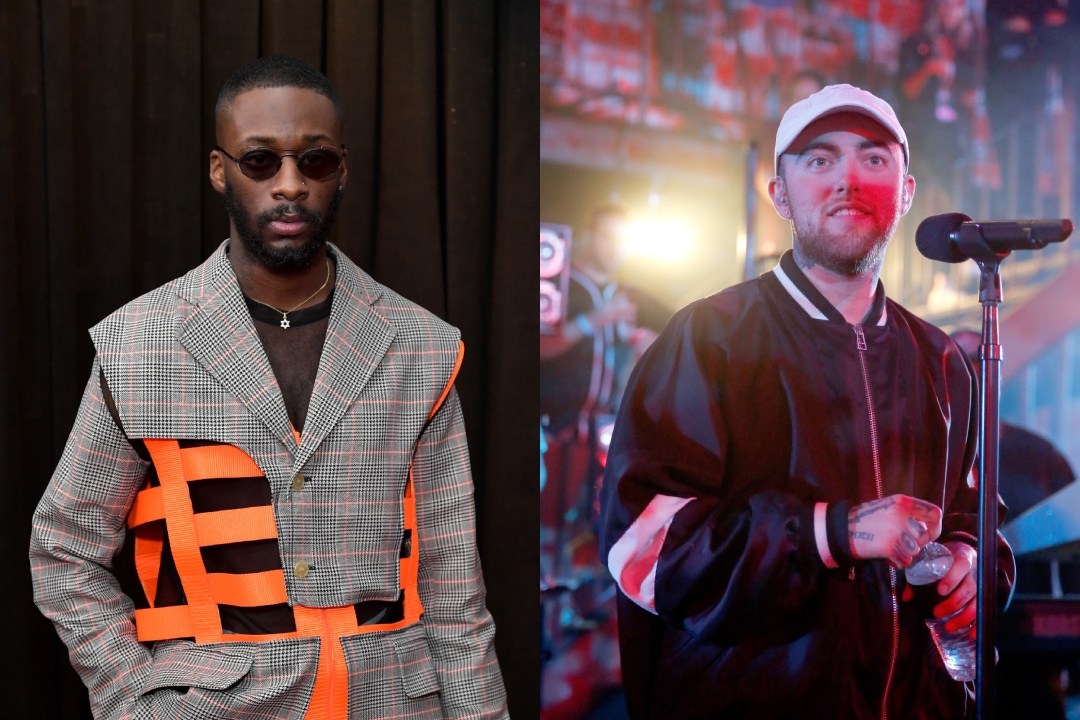
There are certain conversations that keep orbiting through hip-hop: influence versus imitation, grief turned into public inventory, and the way social media flattens nuance into headlines. GoldLink found himself back in that orbit on Wednesday, June 10, when he uploaded a terse freestyle to his social channels — a two-minute reply that hardly feels finished, and yet lands with the bluntness of someone closing a door loudly enough to be heard.
The Washington D.C. rapper captioned the clip with a shoulder-shrug emoji, then leaned into the part of the internet that had dug up an old 2019 post he wrote after Mac Miller’s death. That post praised Mac and described their friendship, but also suggested — awkwardly, to many fans — that GoldLink’s own And After That, We Didn’t Talk project served as a kind of blueprint for Mac’s Divine Feminine. People read it as an attempt to claim credit. They responded, and those responses kept coming.
“This for you ni**as that was all on my d**k/Tryna start some bullsh*t from Mac Miller and sh*t,” GoldLink raps in the new clip. “That’s my brother, and he did what he did and that’s it/You should probably ask Tyler how he feel bout that sh*t/When we wa ridin’ in that Tesla before we switched to his Benz/All I’m saying is that sh*t ain’t what you think that it is.”
It is spare and conversational — the cadence of a man answering questions he mostly wishes people would stop asking. The Tesla-to-Benz detail is the kind of small, mundane image that grounds the line in memory rather than argument; it reads like a recall of time spent together, not an academic claim about sonic lineage.
Speaking to the backlash after the original post, GoldLink pushed back then as he does now. In a follow-up he insisted his intention was to celebrate friendship, not to accuse or erase. “The whole post I made about Mac Miller was about love and that ni**as can actually be brothers,” he told listeners. “It wasn’t about stealing. I never used the word ‘copy,’ I never used the word ‘steal.'”
“Mac Miller wrote all of Divine Feminine. That was a great album,” he added at the time. “That’s one of the realest ni**as I ever met.”
Context matters here. Mac Miller, who died in 2018, left behind a catalog that artists and fans still return to for cues about emotional honesty and melodic risk-taking. Divine Feminine, a record many cite as a late-stage turn toward open-hearted singing and lush instrumentation, has been held in those discussions of influence. GoldLink’s work has always lived in conversation with R&B-inflected grooves and jazz-tinged production, so the idea of overlapping sounds is unsurprising; what made the 2019 post combustible was the timing and framing.
Elsewhere in his career, GoldLink has often been translated through other people’s shorthand — the Baltimore bounce comparisons, the Philly/DMV crosscurrents, the collaborations with producers who blur genres. He has been candid about friendship and rivalry, and about how public memory can calcify a moment into an accusation. The freestyle feels like a small attempt to reset the balance: a quick, half-amused rebuttal that says, in effect, I remember this differently.
There is still something unresolved about the whole thing. Social feeds store statements as artifacts, then reroute them into new contexts years later. GoldLink’s latest clip won’t change everyone’s mind, but it does reintroduce nuance where headlines skipped it. For those paying attention to tone and gesture, the shrug mattered as much as the words — a deliberate undercut to the clamoring that followed a grieving post.
He posted the freestyle publicly; he did not roll out a long-form apology or a feature-length explanation. Maybe that was the point. A few lines, a small memory, and an insistence that the truth is messier than the version that Twitter wants to sell you.
Listening back, it’s less about exoneration and more about curation — who gets to tell the story of a friendship, and how people choose to read influence when grief and pride are in the same sentence.