Physical Address
304 North Cardinal St.
Dorchester Center, MA 02124
Physical Address
304 North Cardinal St.
Dorchester Center, MA 02124
After a reported market-share dip in recent years, hip-hop’s early 2026 releases — from J. Cole and Don Toliver to A$AP Rocky and YoungBoy — posted major first-week numbers, signaling a commercial recalibration rather than decline.
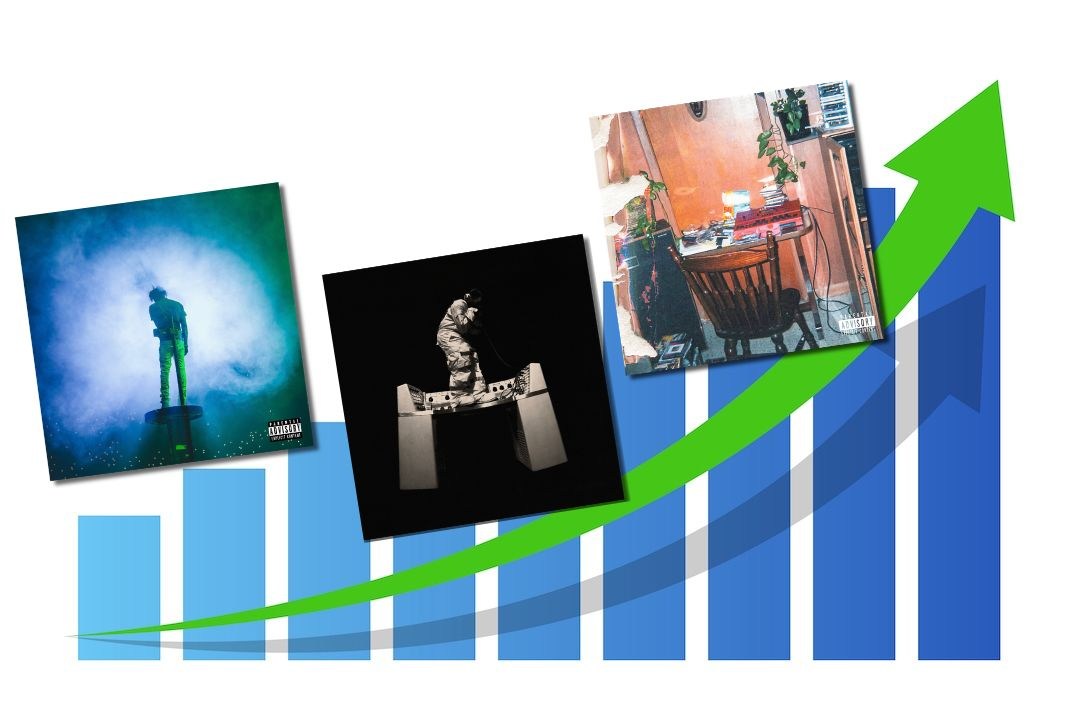
When Billboard’s report last year showed hip-hop’s share of the market slipping from roughly 30 percent in 2020 to about 24 percent in 2025, a lot of people treated it like a death knell. Conversations about streaming math, calendar fatigue and the franchise nature of pop projects followed. But the opening months of 2026 have been a vivid rebuttal.
Across January, a handful of rap releases—some long-awaited, some routine—returned grocery-bag numbers to the genre. These weren’t just streaming spikes; they were robust equivalent album units that mixed sales, streaming and whatever bundle tricks labels still deploy.
In late January, A$AP Rocky — who hadn’t issued a solo album in eight years — landed back in the conversation with Don’t Be Dumb. The Harlem rhymer debuted at No. 1 on the Billboard 200, moving 123,000 equivalent album units in its first week. For Rocky, whose collaborators and aesthetic moves have always been as important as headline singles, this was a reminder that scarcity and image can still translate into commercial traction.
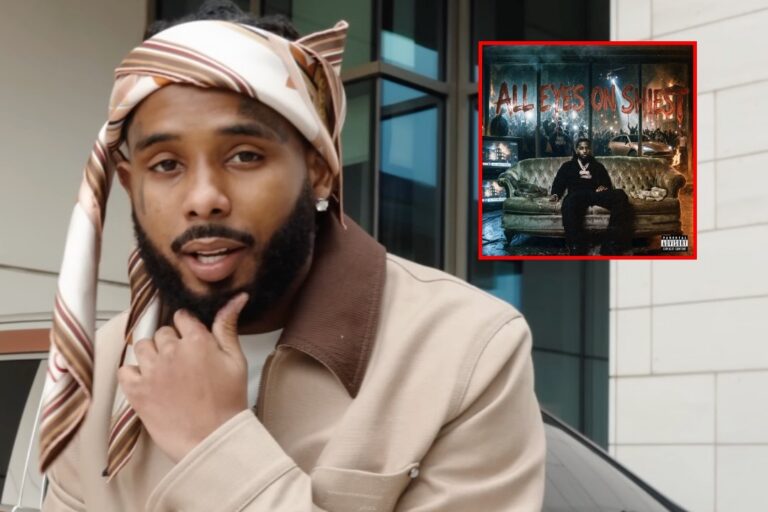
On the very same release day, YoungBoy Never Broke Again quietly staged one of the year’s more interesting plays. His 17th studio album, Slime Cry, arrived opposite Rocky’s and registered the biggest opening of YoungBoy’s career to date, with about 70,000 equivalent album units. The timing—two heavyweight hip-hop releases sharing a Friday—made for an unusual chart moment and underscored how simultaneous drops can split headlines without necessarily dampening each project’s haul.
Elsewhere in January, Don Toliver pushed his profile into a new lane. Octane—the Houston artist’s third studio outing—became his first No. 1 on the Billboard 200, posting an impressive 162,000 equivalent album units in week one. Toliver’s blend of reverb-soaked melodies and pitched-up hooks has long chafed against strict genre labels; Octane’s success suggests a mainstream appetite for that hybrid.
And then there’s J. Cole. His long-gestating magnum opus, The Fall-Off, landed with the largest opening among rappers this year, moving roughly 280,000 equivalent album units in its first week. Cole’s steady-building career, from mixtape circuits to stadium tours, has always been cumulative. The Fall-Off felt like the commercial culmination of that arc.
“What we’re seeing right now is less a sudden surge and more a recalibration,” an industry analyst told me. “Labels and artists are learning to funnel attention—long-awaited albums, strategic release windows, touring tie-ins—into concentrated first-week numbers. Streams matter, of course, but so do vinyl drops, merch bundles and targeted marketing that converts casual listeners into buyers. Hip-hop never went away; it was figuring out new ways to measure success.”
There’s an important nuance in these figures: “equivalent album units” compress a lot of activity into one headline number. For older artists like J. Cole, sustained fandom and promotional patience still pay off. For newer or more internet-native acts, first-week strength often comes from playlisting and viral moments that convert to streams faster than physical sales.
Speaking to the broader picture, these openings will matter less as year-round indicators than as signals of how rappers and their teams are packaging releases. The early 2026 numbers suggest a market that rewards both legacy-building and smart timing.
XXL has rounded up the biggest first-week sales for hip-hop projects so far this year; the list reads like a snapshot of the genre’s current strategies—measured rollouts, surprise timing, and artists who have learned to monetize attention across formats. If anything, the first weeks of 2026 feel less like a comeback and more like a course correction: hip-hop learning to thrive within the modern music economy rather than against it.