Physical Address
304 North Cardinal St.
Dorchester Center, MA 02124
Physical Address
304 North Cardinal St.
Dorchester Center, MA 02124
A federal judge ordered the release on bond of Lontrell Williams Sr., father of Pooh Shiesty, as the Dallas robbery and kidnapping case involving Gucci Mane moves toward a July trial. Pooh and other co-defendants remain jailed after bond revocations.
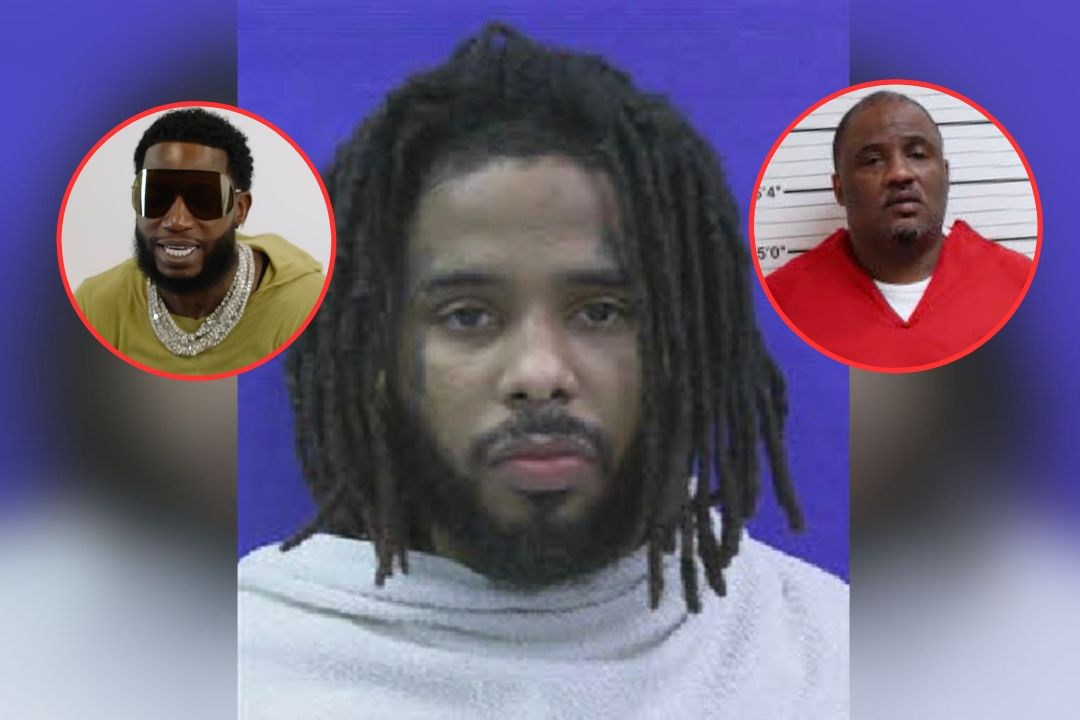
When the headlines first dropped about a January studio robbery that allegedly ensnared Gucci Mane, it felt like another knot in rap’s long history of legal melodrama: mentor and protégé, fame and violence, footage and court dockets. The case has been messy and public from the start, and on Wednesday, May 27, it took another turn when a federal judge ordered the release on bond of Lontrell Williams Sr., the father of Memphis rapper Pooh Shiesty.
Local outlet Action News 5 published the ruling on May 28, reporting that Williams Sr. will be freed while the broader federal case against him, Pooh Shiesty and seven other defendants continues in Texas. The decision is procedural, not exculpatory: the indictment and the allegations that sparked it remain on the table.
“According to Action News 5, a judge ordered that Lontrell Williams Sr. be released on bond while the robbery case against him, Pooh Shiesty and seven others is still pending in Texas federal court. Prosecutors allege the group ‘lured Gucci Mane to the recording studio under the guise of talking business and recording music’ and that during the session Pooh Shiesty ‘forcibly coerced Gucci into signing a release at gunpoint’ while others ‘stripped the rapper and other victims of their cash and jewelry.'”
The indictment paints a cinematic, grim scene: a Dallas studio session on January 10 that, prosecutors say, was not about beats and bars but about ambush. In court filings and the coverage that followed, the government describes the invite as bait and the alleged outcome as robbery and kidnapping. At an April 8 hearing the FBI disclosed that Gucci Mane provided a statement to investigators, and in April federal agents executed raids that led to arrests, including at the home of Pooh Shiesty’s father in Tennessee.
Pooh Shiesty, born Lontrell Williams Jr., is not a peripheral figure in this story; he rose rapidly in the last few years after breaking through out of Memphis with tracks like “Back in Blood” featuring Lil Durk and a run of collaborations that linked him to Atlanta’s 1017 camp. He and his co-defendant Rodney Wright Jr., known as Big30, have pleaded not guilty. Both remain in custody after bond revocations earlier in the case.
Speaking to the media ripple that follows any high-profile defendant, the courtroom choreography has been predictable: arraignments, motion practice, prosecutors releasing redacted allegations, defense attorneys pushing for fair process. Still, Williams Sr.’s release on bond punctuates how uneven the consequences have been for different people connected to the same set of accusations.
Federal prosecutors have framed the episode as an organized plot that targeted several people in the studio, with multiple defendants charged in the single indictment. The government warns that if all nine men are convicted at trial, the statutory exposure is severe—potentially life sentences for those whose charges and histories trigger the harshest penalties.
Elsewhere in the case, procedural deadlines are stacking toward a summer trial date. The federal trial for Pooh Shiesty and his co-defendants is currently scheduled to begin on July 6. That calendar date turns the abstract into a near-term reality: witnesses, evidence, and the particularities of who did what in that studio on January 10 will be tested under oath.
For Pooh Shiesty, the case arrives amid a career that was still building when legal troubles first intersected with his rise. Signed to Gucci Mane’s 1017 imprint and tied into the South’s chain of collaborations and feuds, he symbolized a generation of rappers whose public identities are wrapped up as much in reputation as in record sales. The optics here are striking: an alleged attack on a figure who, for many of these defendants, occupied both familial and musical significance.
There are practical implications to Williams Sr.’s release. Bond conditions typically attach restrictions: travel limits, reporting requirements, and the specter of re-arrest if the court deems the conditions violated. For the defense, his release could provide more time to marshal witnesses or documents; for prosecutors, it could complicate witness availability or testimony dynamics. None of that changes the underlying allegations.
At bottom, the case reads like a modern courtroom drama with hip-hop on the margins and in the center. It raises familiar questions about trust and betrayal in an industry where business and personal relationships are often interchangeable, and where the public narrative can harden before evidence does.
As July approaches, the docket will dictate whether the story stays in headlines or moves into the slow churn of legal reporting. Until then, Williams Sr.’s bond is a technical reprieve in a fiercely consequential matter, and the rest of the defendants remain inside an unfolding federal process that will determine more than reputations.