Physical Address
304 North Cardinal St.
Dorchester Center, MA 02124
Physical Address
304 North Cardinal St.
Dorchester Center, MA 02124
A federal judge has scheduled the trial for Pooh Shiesty, Big30 and seven others in the alleged Gucci Mane kidnapping and robbery for July 6, with discovery due June 1 and a final pretrial on July 1. Counsel changes and custody status heighten the stakes.
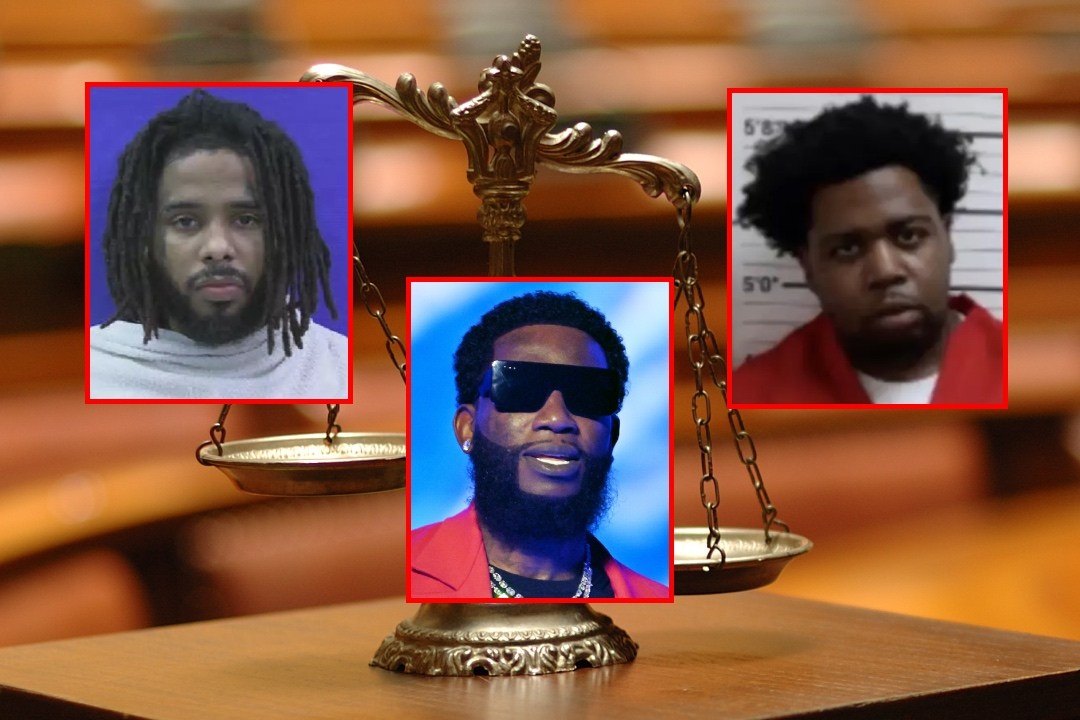
The arrest of a new generation’s rappers has felt, at times, like a weird footnote to the relentless churn of trap culture: viral tracks, headline tours, then court dockets. But the alleged January incident involving Gucci Mane — a figure whose influence on Southern rap is hard to overstate — has stuck in the scene in a different way, turning studio-room politics into a federal criminal case.
On Tuesday, Senior United States District Judge David C. Godbey signed a pretrial order that pins the jury trial for Pooh Shiesty, Big30 and seven codefendants to July 6. A final pretrial conference is scheduled for July 1, and the government has until June 1 to turn over its evidence to the defense.
The charges stem from an episode prosecutors say began as a recording-session meeting in Dallas in January. According to the indictment, Gucci Mane was invited to a studio under the pretense of business and recording; during the session, a gun was allegedly produced, Gucci was forced to sign a release at gunpoint, and members of the group took jewelry, cash and other items from him and his companions.
All nine men remain in custody after April arrests and, if convicted on the racketeering and related counts, face federal prison terms that could extend to life. Two weeks before the court order, Pooh, Big30 and Pooh’s father entered not guilty pleas.
Bradford Cohen, who has since withdrawn as Pooh Shiesty’s lead counsel, has maintained that the prosecution’s case contains significant gaps and that his client can beat the charges.
Speaking to staffing changes, Cohen officially stepped away last month. Dallas attorneys Dan Cogdell and Kent Schaffer are listed as replacements on court filings, a swap that resets the defense narrative heading into the summer timetable.
Elsewhere in the courtroom details: Judge Godbey’s order lays out exchange and disclosure deadlines that push both sides to refine exhibits, witness lists and motions in the next few weeks. Those procedural rhythms matter — in federal trials, the timing of evidence disclosure and pretrial motions can reshape what jurors actually see in July.
The case has had a strange afterlife online. Clips of the involved artists, courtroom sketches, and podcasts parsing the legal filings have kept the story circulating well beyond the usual news cycle for arrests. For Gucci Mane, a veteran whose crew and collaborators read like a timeline of modern trap, the episode is an odd collision of music business, personal drama and federal law enforcement.
Outside the July calendar, the practical stakes are immediate: the defense will need full access to discovery by June 1, and lawyers on both sides will use the pretrial conference to iron out disputes over witnesses and admissible evidence. For fans and observers, the trial will be a rare moment to watch how a high-profile hip-hop case plays out under the federal court’s spotlight.
There are still plenty of unknowns. Who will take the stand, what surveillance or phone records the prosecution will present, and how the defense will frame the meeting that night all remain open. What’s certain is that the July trial date transforms months of social-media rumor and charged interviews into a fixed piece of legal time.
Whatever happens in the courtroom, the case will be measured against the wider context of long prison bids and legal reckonings in hip-hop history. The next formal beats: discovery by June 1, the July 1 pretrial conference, and then the jury trial beginning July 6.