Physical Address
304 North Cardinal St.
Dorchester Center, MA 02124
Physical Address
304 North Cardinal St.
Dorchester Center, MA 02124
On May 20, Rick Ross told the PBD Podcast that Drake's Iceman is "horrendous," mocked several vocal moments and said listeners around him checked out by the fifth track. Ross tied his critique to Drake's recent legal tussle with Universal and questioned the album's ambitions.
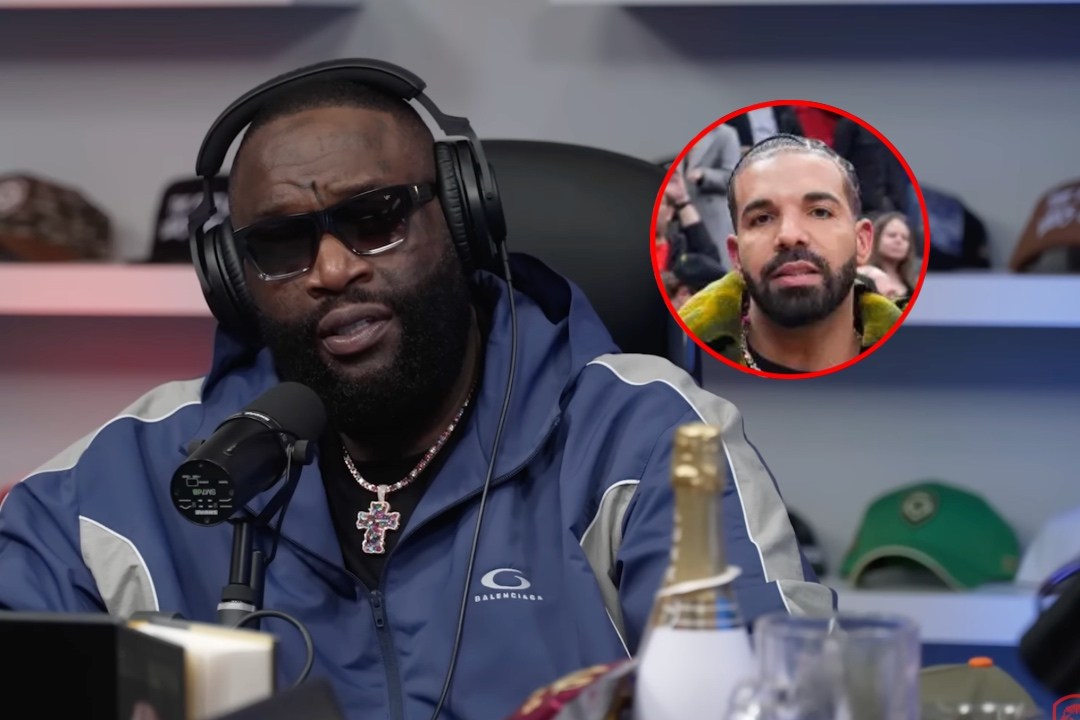
The conversation around Drake’s latest record arrived not from a critic in a review column, but from a fellow heavyweight. On May 20, Rick Ross sat down on the PBD Podcast and spent a good portion of the interview dismantling Iceman in a way that felt equal parts casual insult and industry-schooled take.
Ross, who has long been a visible figure in rap’s business and barroom talk, didn’t couch his reaction. He framed the album through the lens of ego and consequence, folding in Drake’s recent legal dust-up with Universal Music Group as part of the broader narrative about how artists handle criticism.
“When you diss certain people and they can’t deal with it emotionally, they’re embarrassed. They’re humiliated. That’s when they sue all of these people,” Ross said, pausing between lines as he set up the bigger point about accountability and posture in this moment of Drake’s career.
He then leaned into the music itself. “I heard a few songs off the album and called the project horrendous,” Ross continued. “It was like, ‘No one’s my friend/You left me alone.’ It’s that type of shit. You gotta be a boss out here, man.”
Ross went on: “I had people that listened to Iceman. By the fifth song, they came out, they was like, ‘Damn, this shit wack.’ Then they went back in and listened to it. I’m like, it’s not nothing that’s dope… This a mothafucker who always bringing up Michael Jackson. Where the ‘Billy Jean’ at? Where the ‘Thriller?’ My homies actually sat there and they lost an hour for the life for this shit.”
There is a long history between artists trading opinions like this. Drake rose in the 2010s as a figure who blurred singing and rapping, turning melodic vulnerability into pop-rap currency. Ross has operated in a different register: ostentatious, declarative, a voice that has been used to announce opulence and territory for nearly two decades. Their paths are not unfamiliar. They have shared stages and features, and have occasionally referenced each other indirectly across interviews and songs. That shared orbit makes Ross’s dismissal feel like an internal measurement rather than the distant scorn of a casual listener.
Elsewhere in the conversation, Ross mocked the vocal choices on Iceman with the kind of mimicry that lands in podcast moments and at late-night bar tables. The jokes are small but pointed: it’s not only that he thinks the record is weak, but that he finds the performative moments — the crooned lines and drawn-out lamentations — laughable coming from an artist who often nods toward pop titans.
Speaking to the album’s reception among his circle, Ross described a kind of collective fatigue. People who initially gave Iceman a chance, he said, exited the room by the fifth track and ultimately labeled the project “wack.” Whether that anecdote scales beyond his immediate friends is another question; streaming numbers, playlist placements, and critical response will tell the fuller story. But the moment captures how social listening still shapes reputations in ways that metrics do not.
Ross’s comments are not entirely novel. He reportedly called the album “mid” on release day, and this interview expands on that line of thought rather than retracting it. The critique also feeds into a larger conversation happening across the industry right now: which artists are permitted vulnerability, and which are expected to maintain the boss posture Ross keeps invoking.
There is also a legal subplot in the background. Drake’s recent suit with Universal has bubbled in coverage, and Ross used that headline as evidence of sensitivity to criticism. Whether you accept that reading or see the suit as a separate business maneuver, the intersection of law, artistry, and public perception has become part of how releases are discussed in real time.
For fans of both artists, this is another episode in an ongoing cultural exchange. For Ross, the assessment was blunt, performed in the relaxed cadence of a long-form interview and delivered with the performative impatience he often shows in public. For Drake, who built a career off of switching registers and courting debate, Ross’s barbs are likely to be filed alongside dozens of other takes: part of the noise that comes with being one of the most-discussed artists in the world.
Whether Iceman ages like the Jackson references Ross wanted to hear is something listeners will decide week by week. For now, the headline is simple: a veteran voice in the game thinks the record misses, and he says so out loud.