Physical Address
304 North Cardinal St.
Dorchester Center, MA 02124
Physical Address
304 North Cardinal St.
Dorchester Center, MA 02124
Snoop Dogg has asked a judge to remove him and his company from the wrongful-death suit filed after Drakeo The Ruler's 2021 stabbing, arguing he had no role in the attack. The $20 million lawsuit names Live Nation and others; parts of the case were dismissed earlier this year.
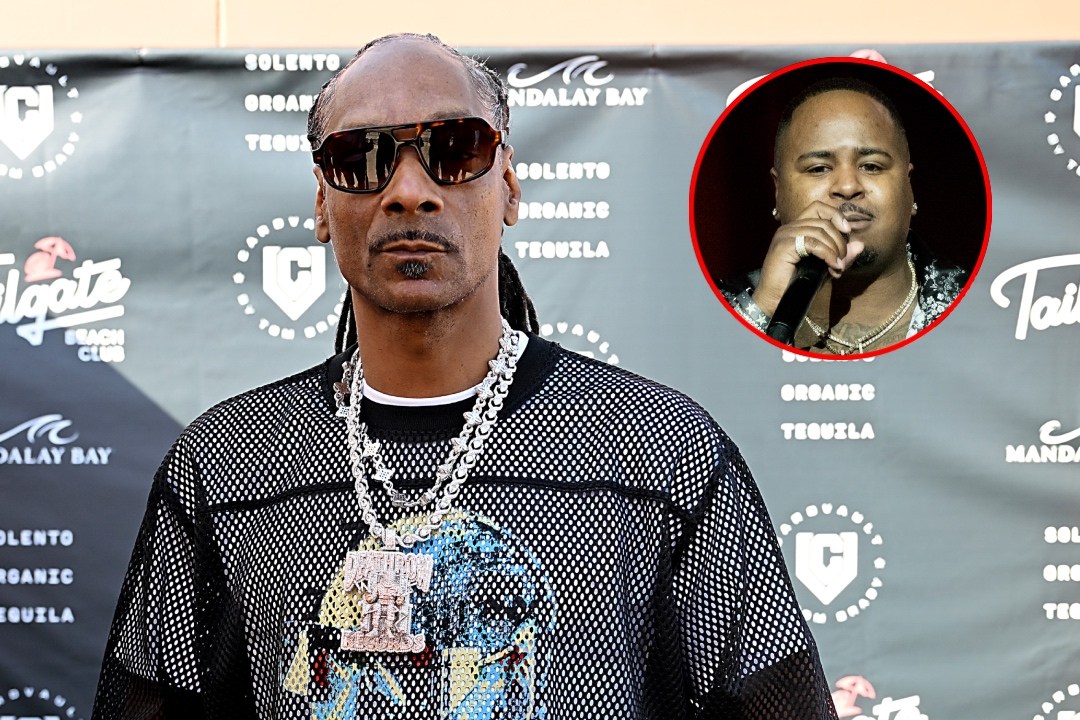
When violence at a Los Angeles festival became the centerpiece of a long, messy legal aftermath, it was always going to touch more than the men directly involved in the scuffle. Five years on, the ripples are still moving through the industry: on May 20, reports surfaced that Snoop Dogg is asking a judge to remove him and his company from the wrongful-death lawsuit brought after the death of Darrell “Drakeo The Ruler” Caldwell.
The motion, filed as a request for summary judgment, is the latest attempt by a high-profile artist to draw a bright line between presence and culpability. TMZ first reported the filing; the suit itself was filed in 2022 by Drakeo’s brother and seeks $20 million, alleging that inadequate security at the event set the stage for the fatal attack.
The court filing states, “Neither Snoop Dogg nor any employee or agent of his company saw or participated in the attack that led to Darrell ‘Drakeo The Ruler’ Caldwell’s death, nor did they know the individuals who allegedly carried out the fatal stabbing.” The motion argues that Snoop’s connection to the incident was limited to his role as one of the show’s headliners and that there is no evidence tying him or his organization to the violence.
The incident itself is grimly simple to recount. On December 18, 2021, a brawl backstage escalated into a stabbing; Drakeo was wounded in the neck and died the next day at 28. Video from bystanders captured parts of the altercation, but the case has not produced arrests or clear public leads. Police have not named suspects, and prosecutors’ efforts have been hampered by witness cooperation problems.
The broader civil suit targets a roster of defendants: Live Nation, the University of Southern California, Los Angeles FC, booking company Bobby Dee Presents, and others. A separate procedural development earlier this year removed USC, LAFC, and Bobby Dee Presents from the case, narrowing the field of potential defendants and sharpening the focus on the remaining parties.
There is a rhythm to these kinds of filings. High-profile entertainers often seek early dismissal when their involvement can be reduced to being on a bill or on site. It is a defensive play that pushes the dispute back toward venue operators, promoters, and security contractors. Whether a judge agrees with the argument that presence alone cannot create liability is the legal question now awaiting resolution.
XXL and other outlets have noted the filing; Snoop Dogg’s camp has been contacted for comment. Meanwhile, for Drakeo’s family and supporters the case remains a stalled, unresolved tragedy. Nearly five years after the stabbing, the death of Drakeo The Ruler still has no criminal arrest tied to it, and the civil litigation continues to be the main forum where answers are being sought.
Elsewhere in hip-hop, this lawsuit sits next to a string of cases that test where responsibility lies at large-scale events. Artists that once could argue that they were simply performers are increasingly dragged into litigation over logistics, security, and the liabilities that come with stadium-sized audiences.