Physical Address
304 North Cardinal St.
Dorchester Center, MA 02124
Physical Address
304 North Cardinal St.
Dorchester Center, MA 02124
After the May convictions in Foolio’s 2024 killing, Sean Gathright’s family launched a $24,000 GoFundMe that they say has been reported and targeted with threats. Foolio’s family publicly pushed back; sentencing is set for June 22.
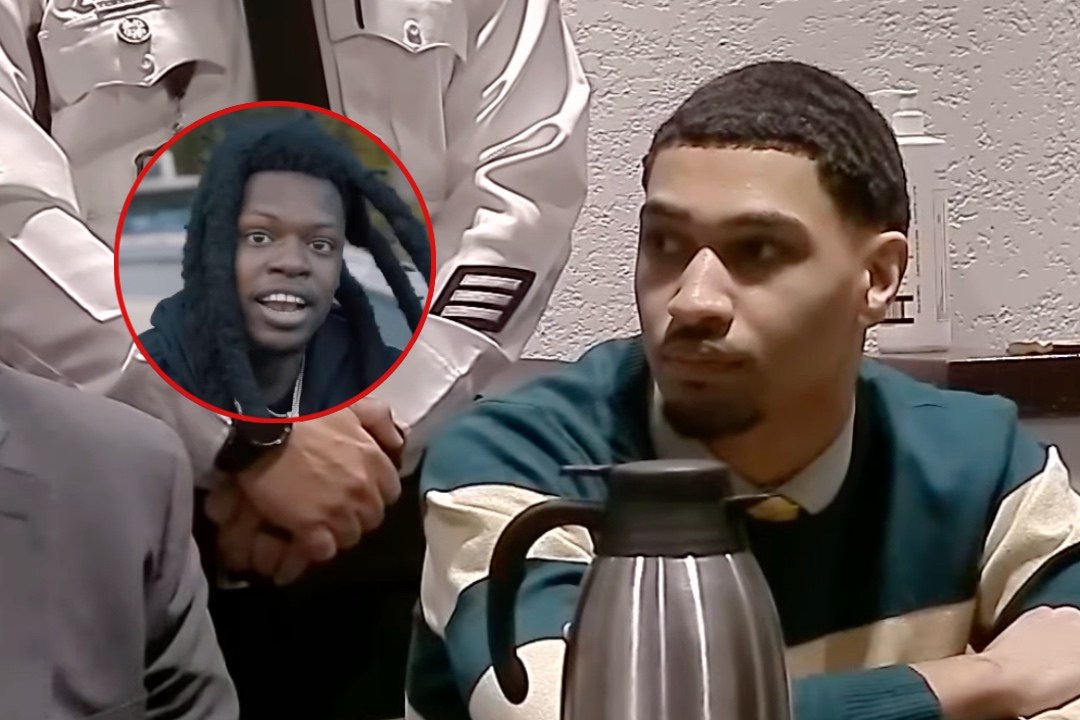
There’s a familiar, ugly rhythm to internet grief: a public death, a trial, and then a second wave of conflict played out across comment threads and fundraising pages. For the family of Jacksonville rapper Foolio, the latest act in that cycle has been a GoFundMe started by one of the men convicted in his 2024 killing — and the reciprocal outrage that has followed.
On May 15, a week after a jury found Sean Gathright, Isaiah Chance, Davion Murphy and Rashad Murphy guilty in the case, Gathright’s family launched a fundraiser with a $24,000 goal. As of press time the page had raised just under $900. Within days the page had been reported multiple times and, according to statements from both sides, become the focus of threats and harassment.
Foolio’s family went public with their response on Instagram on Monday, May 18, calling out what they described as online harassment directed at Gathright and his relatives. The statement pushed back against people who had flagged the fundraiser and accused some accounts of sending “death threats and harrasing not only Sean but also his loved ones and family members.”
“We want to address recent reports being made against Sean’s GoFundMe,” the statement read. “While we completely understand that not everyone will choose to support, going as far as reporting the fundraiser, sending threats and harassing not only Sean but also his loved ones and family members is truly mean-spirited and completely out of control. To those that do not support [Sean], we respectfully ask that you simply block, disengage and move forward toward causes you do support rather than hate, threats and negativity.”
Gathright himself posted a short video on Instagram thanking people who had donated or shown support. That clip — sparse, grateful, a familiar script in the wake of criminal convictions — only heightened the emotional stakes. Public sympathy for victims and outrage at the accused are often immediate and intense; crowdfunding contests those instincts by asking strangers to financially back a person at the center of a criminal case.
Elsewhere in the case: the four men were convicted on May 8 of charges tied to Foolio’s death, and on May 15 the jury declined to impose the death penalty. The group is slated to be sentenced on June 22. Those milestones have not dampened the flames online, and they’ve produced two competing narratives — one of a bereaved music community demanding justice, the other of a convicted man’s family appealing for basic protections and support.
Context matters here. Foolio, a Jacksonville native who had been building a local profile before his death, is still being mourned in city circles and on social feeds. The conviction landed after months of coverage that alternated between courtroom detail and the city’s reaction. Now social media has given both sides a megaphone, and the result feels predictably messy: crowdfunding as another front in a public argument about accountability, punishment and privacy.
Speaking to the emotional tenor of the moment, neither statement offers reconciliation. Foolio’s family is asking followers to police harassment aimed at them and to keep the focus on their loss; Gathright’s camp is asking for the fundraiser to be left alone and for critics to “block, disengage and move forward.” Between those requests sits an audience — fans, neighbors, casual observers — who have to decide whether to donate, denounce, or simply scroll past.
The June 22 sentencing now becomes a focal point not only for legal closure but for whatever happens next on social media. Will the GoFundMe remain active? Will platforms act on reports? Will the online exchanges calm down? For now, the story is a reminder of how quickly public mourning and digital organizing can collide — and how messy the aftermath can be when a city’s grief meets a family’s attempt at financial support.