Physical Address
304 North Cardinal St.
Dorchester Center, MA 02124
Physical Address
304 North Cardinal St.
Dorchester Center, MA 02124
Alicia Andrews' sentencing has been delayed as her attorneys press for a new trial, alleging multiple errors by the judge during the manslaughter trial in the 2024 killing of Jacksonville rapper Foolio. Andrews' next hearing is May 22; she faces up to 15 years if convicted.
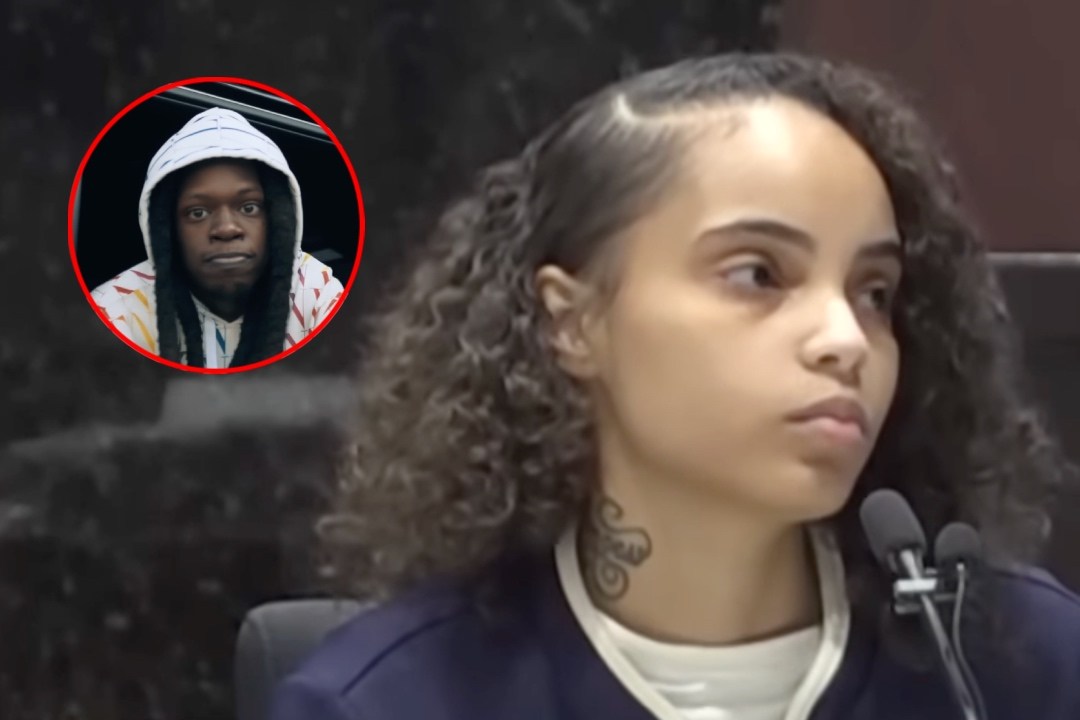
On a humid Monday morning in Jacksonville, the courthouse felt less like a place of final reckoning and more like a pause button. Alicia Andrews, who was convicted last October for her role in the 2024 killing of Jacksonville rapper Foolio, walked out of the courtroom without a sentence while her lawyers asked a judge to undo the verdict.
The sentencing that had been scheduled for January was pushed back as Andrews’ team continues to press for a new trial. In filings lodged in the last week, her attorneys argue that then-Judge Michelle Sisco ‘made multiple consequential rulings that shaped the outcome’ of the trial, and they listed a string of alleged errors that cut across pre-trial decisions, jury instructions and interactions in the courtroom.
‘We contend there were errors during pre-trial and during the trial itself, including mistakes made during jury instruction, and unprofessional exchanges with the defense,’ attorneys wrote in court records filed May 12.
The legal maneuvering reopened a chapter that felt closed for the city after a string of convictions earlier this year. Four other defendants — Sean Gathright, Rashad Murphy, Davion Murphy and Isaiah Chance — were found guilty of murder and attempted murder in the same case. Prosecutors say the group tracked Foolio from Jacksonville to Tampa and opened fire while he and friends sat outside a Holiday Inn; authorities have accused Andrews and Chance specifically of following the rapper and relaying his location to the shooters.
There is a concrete deadline now: court papers list May 22 as Andrews’ next hearing. If the conviction survives whatever comes next, the manslaughter verdict carries a possible sentence of up to 15 years in prison.
Judge Sisco’s removal from the case in January by the Florida Supreme Court added an unusual procedural wrinkle. The high court stepped in after Andrews’ lawyers raised concerns about prejudicial bias, a move that amplified scrutiny on how judges handle high-profile cases tied to the hip-hop world. The removal, and the renewed attack on the trial record, are the legal equivalent of tracing a thread back through testimony, rulings and the day-to-day choreography of a trial.
Speaking to the larger picture, the case sits at the intersection of local rap scenes and the criminal justice system. Foolio, who came up in Jacksonville’s music community, had been a visible figure in Florida rap; his death last year resonated beyond friends and family, stirring local outlets and national attention in equal measure.
Elsewhere in the filings, defense attorneys point to what they call ‘consequential’ jury instruction mistakes — the kind of technical missteps that, if accepted by a judge on appeal, can be enough to vacate a conviction. Prosecutors, meanwhile, maintain the evidence tying Andrews to the plot was strong: surveillance footage, witness testimony and the convictions of the four shooters all form the backbone of their case.
For now, the pause means another chapter in a case that has already stretched across a year. Families are still waiting. The city is still asking questions. And a juror’s decision last autumn may be reconsidered if a judge finds the trial’s architecture was faulty enough to warrant a do-over.
Alicia Andrews’ legal team will return to court on May 22. Until then, the sentencing table remains empty and a high-profile case remains unsettled.