Physical Address
304 North Cardinal St.
Dorchester Center, MA 02124
Physical Address
304 North Cardinal St.
Dorchester Center, MA 02124
A Fetty Wap lyric printed and attributed to Trout Creek Academy principal Katie O'Connell led to her administrative leave after parents objected. O'Connell says she didn't approve the quote, has hired a lawyer, and the district investigation is ongoing.
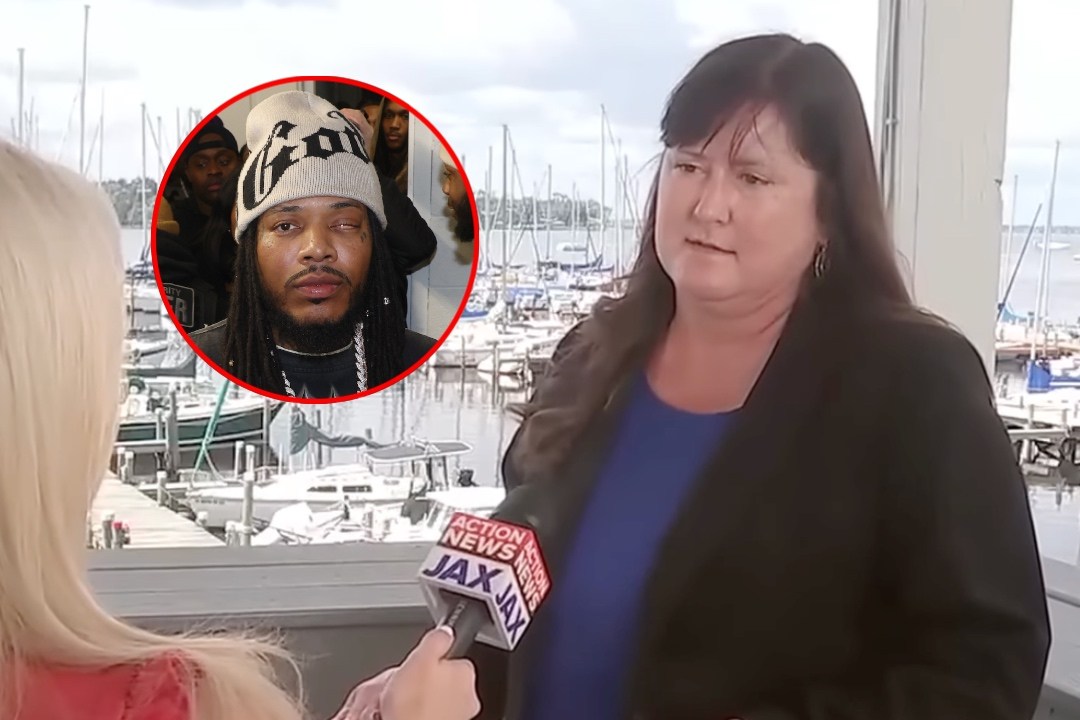
Yearbooks are supposed to capture memory and small embarrassments — awkward senior portraits, a whispered joke that turns into a running gag — not a tangent into pop-rap misplaced in a school administrator’s attributed quote. Yet last week a line from Fetty Wap’s breakthrough hit found its way into Trout Creek Academy’s yearbook, and the fallout has landed the school’s principal on administrative leave.
Katie O’Connell, who runs the charter Trout Creek Academy in St. John’s County, Florida, was placed on leave after the lyric “Everybody hatin’, we just call them fans though” from Fetty Wap’s 2014 single “Trap Queen” was printed in the yearbook and listed as a quote from her. Parents saw the line and reacted quickly on Facebook and with phone calls to the district; school officials moved to discipline O’Connell while an internal review attempts to determine how the lyric was inserted and who is responsible.
“I did not put the quote in the yearbook, nor did I approve that quote to be in the yearbook,” O’Connell told Action News Jax on May 29. “There were certain parents who went straight to the district or straight to the news or straight to Facebook. None of them even called me. All I needed was the time or the opportunity to have fixed an error that was made, and it wasn’t made by me.”
Speaking to Action News Jax, O’Connell said the line was not in the final proof she reviewed before the yearbook went to print. She says that the public reaction has included harassment and that she has hired legal counsel. Investigators with the district have not yet identified who placed the quote in the yearbook. Her administrative leave is set to run through the end of her contract on June 30.
There are several things that make this feel both minor and oddly consequential. On one hand, it is a DJ-bootleg level screw-up: a quote that doesn’t belong attributed to someone who denies approving it. On the other, the lyric’s presence in a yearbook — a formal school document that circulates among families — reframes a three-line rap bar as a matter of community standards and leadership optics. Parents, understandably, framed it as inappropriate for a principal to be credited with what many consider casual hip-hop banter.
Elsewhere, the lyric itself is not obscure. Fetty Wap’s “Trap Queen” was the New Jersey rapper’s monstrous breakthrough in 2014, a song that crossed into Top 10 radio saturation and turned a melodic street-rap cadence into mainstream pop. The line about “fans” functions as a shrug in the song’s boastful talk — context that matters to some and means little to others when printed under a principal’s name.
Yearbook errors are common: misspellings, misattributed photos, captions that don’t match. But the error here has become a lightning rod because it collided with contemporary debates about professionalism, parental expectations, and how school communities police cultural references. Administrators are often placed between two unavoidable pressures: keep the school culture relatable and approachable, and maintain a tone that reassures families that adults are steering the ship.
District officials have been circumspect. There has been no public statement revealing how the quote slipped in or whether staff, students, or a vendor is involved. The academy uses a yearbook vendor to handle layout and printing, sources familiar with other schools’ workflows say, and extracurricular staff or student editors sometimes compile senior quotes. That chain of custody means multiple points where an error could be introduced — or where someone could make an ill-advised joke that later turns heavy.
For O’Connell, this is now part procedural inquiry and part reputational salvage. She says she wants the chance to correct a straightforward mistake without it metastasizing into something bigger. For parents, the incident has crystallized anxieties about who speaks for a school and what is considered acceptable in materials that represent their children.
In the next few weeks, the district’s review will either trace the quote to its origin or leave the matter unresolved as O’Connell’s contract reaches its June 30 end date. Either outcome will leave a memory in that year’s book that wasn’t meant to be there — and a local conversation about how a two-line lyric can upend a school’s small public life.