Physical Address
304 North Cardinal St.
Dorchester Center, MA 02124
Physical Address
304 North Cardinal St.
Dorchester Center, MA 02124
A judge reversed a prior ruling on June 4 and granted rapper Big30 pre-trial release in the Gucci Mane kidnapping and robbery case, finding the government failed to prove he was a flight risk. The trial is set for July 6; defendants have pleaded not guilty.
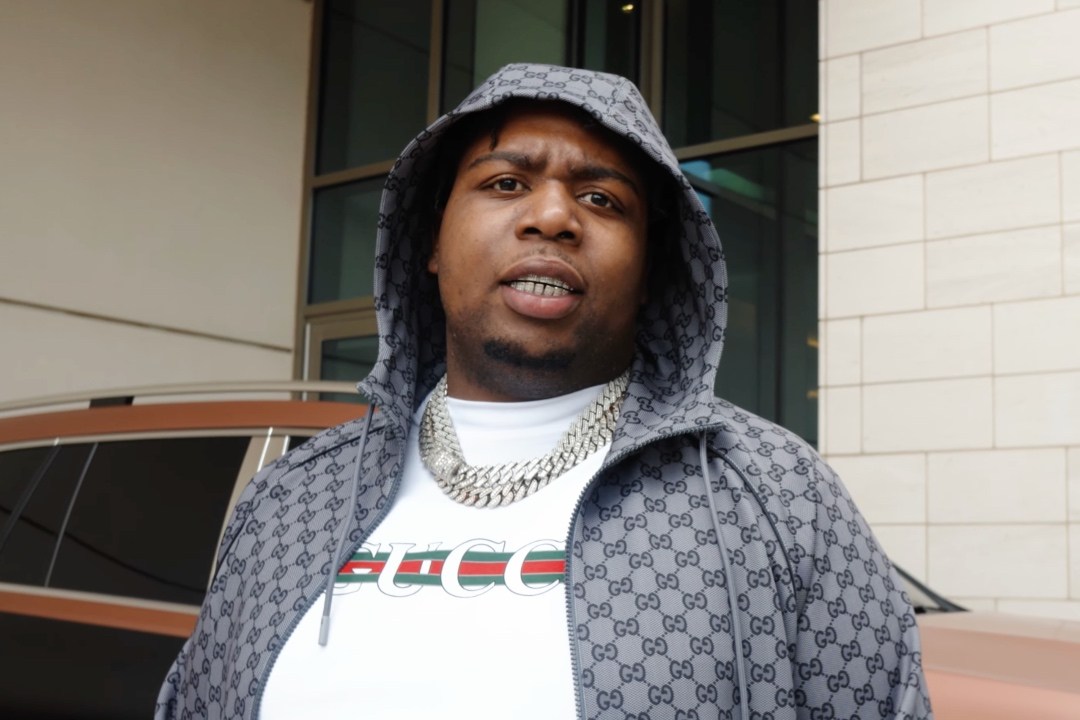
There is a particular exhaustion to contemporary hip-hop headlines: a rhythm of arrest, arraignment, hot takes, and a calendar note that never feels like closure. The Gucci Mane studio robbery has been one of those stories, unfolding in fits of court filings and cellphone footage since January. On Thursday, June 4, the thread took another turn when a judge reversed an earlier decision and granted rapper Big30 pre-trial release after federal prosecutors had successfully argued he posed a flight risk.
The reversal, detailed in court documents obtained by XXL, vacates the stay that had kept Big30 in custody without bond. The judge quoted the court record plainly:
“The Court finds that the Government has failed to establish that Wright is a flight risk or that the conditions of release imposed by Judge Christoff will not reasonably assure the safety of any person in the community. Accordingly, the Court denies the government’s motion. The Court vacates any stay of the release order.”
Big30, who had initially been granted a $100,000 bond, was later held after prosecutors argued he could abscond if freed — pointing to a rumored lucrative record-label deal as the means to flee. That line of argument is familiar in federal white-collar indictments and now, uncomfortably, in high-profile street crime cases: money equals mobility, mobility equals risk of flight. The judge, however, did not find the government proved that connection to the required standard.
What follows is procedural and practical. Release before trial does not erase the severity of the charges: federal prosecutors say Big30 is one of nine men who allegedly kidnapped and robbed Gucci Mane and others at a Dallas recording studio in January, forcing Guwop to sign a contract release form at gunpoint. All three men involved in that initial bond discussion have pleaded not guilty. If convicted on the full charges, they could face life sentences.
Elsewhere in the case, the week prior saw a related development: Pooh Shiesty’s father was released on bond, while Pooh Shiesty himself was denied bond and remains in federal custody. The shifting status of defendants, relatives, and supposed associates keeps the story in perpetual motion; each court filing recalibrates the narrative without resolving it.
The trial is scheduled for July 6, leaving roughly a month for lawyers to fight pre-trial motions and for prosecutors to decide how forceful they will be at trial. For now, the practical effect of the ruling is straightforward: Big30 leaves pre-trial detention under whatever conditions Judge Christoff or the subsequent order requires. The legal fight will continue in filings, depositions, and, ultimately, in court.
Beyond the legal particulars, the case sits at an intersection of celebrity, violence, and the mechanics of the music business. Record deals and rumors about them have become part of the prosecutorial record here — a reminder that the industry’s financial architecture can be used as a narrative tool in court as easily as it is in trade press. For listeners and observers, that makes following the docket less about gossip and more about how power and money circulate around artists when things go wrong.
For now, the calendar dictates the next steps: pre-trial hearings, continued public attention, and a July trial date that will test both the prosecutors’ case and the defendants’ ability to rebut it outside jail cells.