Physical Address
304 North Cardinal St.
Dorchester Center, MA 02124
Physical Address
304 North Cardinal St.
Dorchester Center, MA 02124
A federal judge granted a continuance that pushes Pooh Shiesty’s trial in the alleged Gucci Mane robbery to Feb. 22, 2027. The case involves claims the group lured Gucci to a Dallas studio and demanded a release from 1017 Records; Pooh remains jailed.
Long before a judge set a new calendar date this month, the case around one of rap’s most talked-about alleged robberies had already been playing out like an extended episode of courtroom TV: intermittent filings, a cluster of co-defendants, and a headline-making accusation that tied a rising Memphis star to a robbery of his once-mentor. The latest development is procedural but consequential — and it will keep those threads unresolved for years.
On June 5, Senior United States District Judge David C. Godbey signed an order granting a continuance that moves Pooh Shiesty’s federal jury trial to February 22, 2027. The hearing that had been penciled in for July 6 will now wait. The court also set the final pretrial conference for February 17, 2027.
‘The failure to grant a continuance in this case would deny defendant’s counsel the reasonable time necessary for effective preparation taking into account the exercise of due diligence,’ the order reads. ‘By taking into account the exercise of due diligence by defense counsel, a continuance of the duration granted by this order is necessary for effective preparation by defense counsel.’
The move came after a defense request for more time. Defense teams routinely seek continuances in complicated federal matters, but in this instance the delay keeps a case that has attracted rap-world attention stalled for almost three years from now — enough time for new evidence, new alignments, or, at minimum, a lot more headlines.
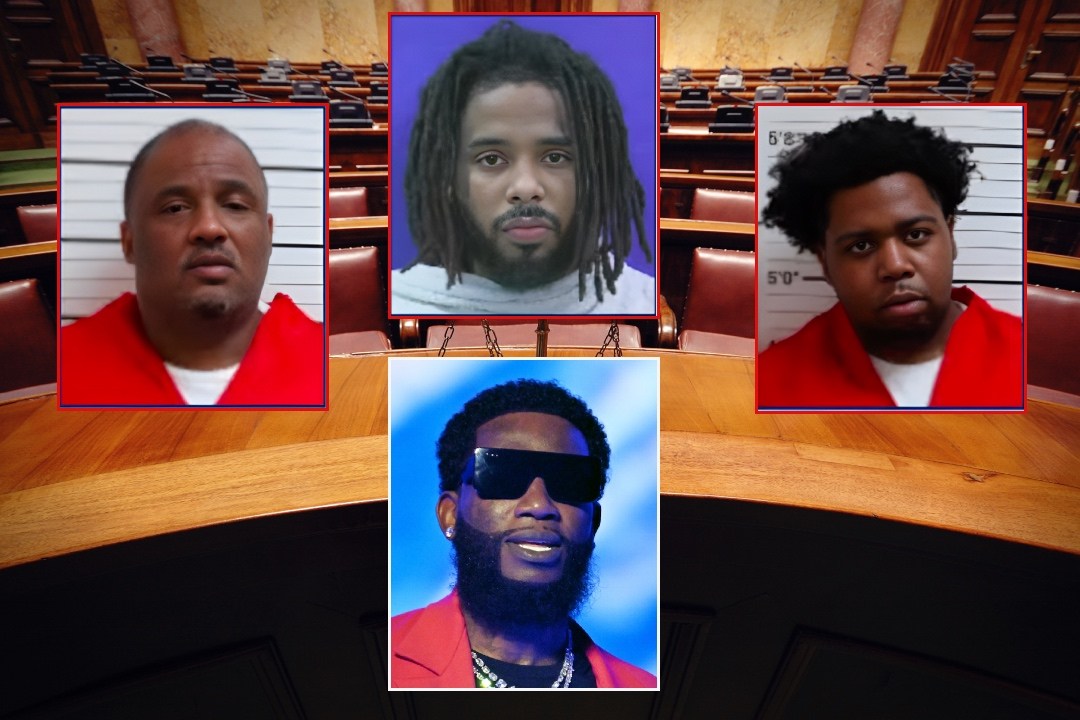
Pooh Shiesty, born Lontrell Williams Jr., is one of nine men named in the indictment, which includes his father, Lontrell Williams Sr., the Chicago rapper Big30, and six other co-defendants. Federal authorities allege the group lured Gucci Mane to a Dallas recording studio under false pretenses and then robbed him and his party. Prosecutors say the encounter was meant to force Gucci Mane to sign a release freeing Pooh from obligations to 1017 Records.
‘Prosecutors allege that the defendants, after bringing Gucci Mane to the studio, displayed an assault rifle, demanded that Gucci Mane sign a form releasing Pooh Shiesty from his 1017 recording contract, and thereafter robbed Gucci Mane and the people he was with of money, jewelry and other valuables,’ prosecutors stated in court filings.
Those allegations read like a screenplay beat — studio, contract, gun, jewelry — and the involvement of 1017 Records adds an unavoidable layer of industry intrigue. Pooh Shiesty rose to prominence in the early 2020s through the Memphis street rap scene and became associated with Gucci Mane’s 1017 imprint; tracks like ‘Back in Blood’ with Lil Durk helped push him into the public eye. That backstory is part of why this case feels freighted: it’s not just criminal allegations, it’s a narrative about mentorship, loyalty, and the business side of rap.
Court papers note the arrests took place in April. Since then, Pooh Shiesty has remained in custody after a judge denied his bid for pretrial release. His father and Big30, by contrast, have been released on bond ahead of the trial. That split — one high-profile defendant detained while others await trial from the street — is common in federal prosecutions but produces its own ripple effects: strained defense logistics, fewer opportunities for in-person strategy sessions, and a sustained media curiosity focused on the person behind bars.
Elsewhere in hip-hop, drawn-out legal fights have shaped careers and public perception in different ways. Some artists have used the downtime to craft narratives or return to the studio upon release; others have seen momentum stall. What the continuance guarantees here is time — for investigators, for defense counsel, and for a public still parsing what, if anything, will be proven at trial.
For now, the next visible dates are concrete: the pretrial conference on February 17, 2027, and the trial beginning February 22, 2027. Until then, the case remains a slow-moving pageant of motions and filings, with the immediate human consequences — a detained artist, a family under scrutiny, and a set of reputations hanging on the eventual outcome — continuing to reverberate through the music community.
Whether the delay produces new clarity or simply more press cycles, rap listeners and industry insiders will be watching. The intersection of legal process and music business is rarely tidy, and this one still has a long way to run.