Physical Address
304 North Cardinal St.
Dorchester Center, MA 02124
Physical Address
304 North Cardinal St.
Dorchester Center, MA 02124
Federal prosecutors added murder-in-aid-of-racketeering and conspiracy-to-stalk charges to a June 4 superseding indictment against Lil Durk, citing screenshots from an unreleased "Redman" video and a text message that reads "I can't let this slide." Trial starts Aug. 20.
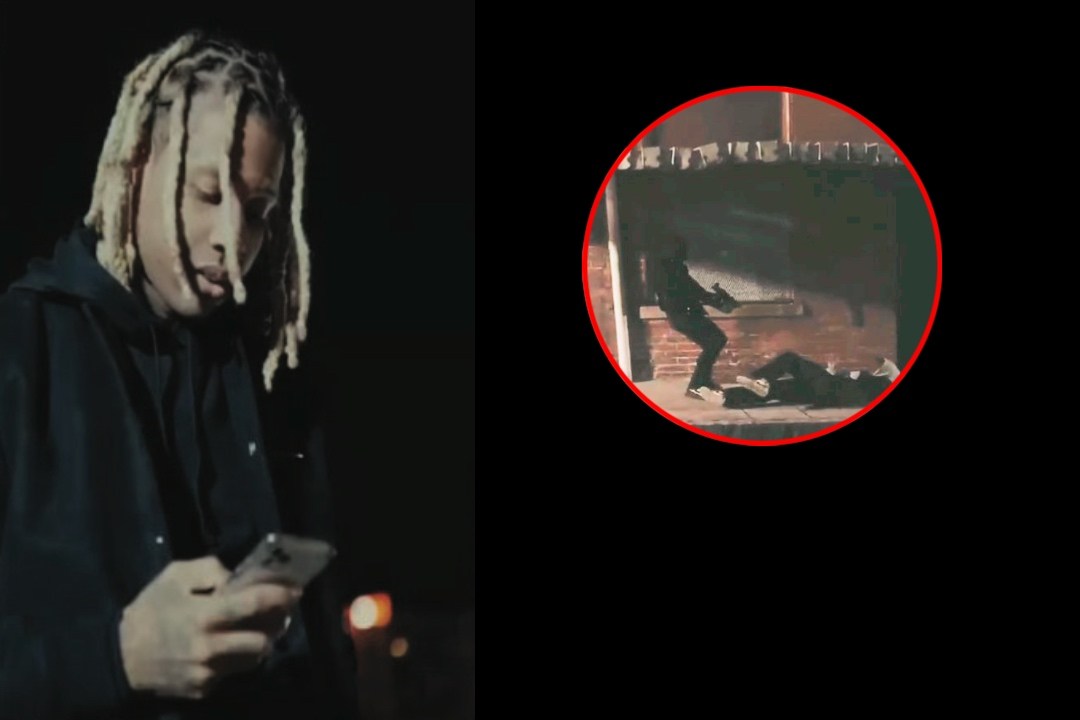
There is a growing, uncomfortable overlap between rap’s staged violence and the criminal courts, and federal prosecutors leaned into that blur in Los Angeles this week. In a third superseding indictment filed June 4 in the U.S. District Court for the Central District of California, agents laid out fresh allegations against Lil Durk that include murder in aid of racketeering and conspiracy to commit stalking — and attached screenshots from what they say is an unreleased music video as part of their case.
The 30-page filing centers on a track called “Redman,” according to the document, and prosecutors included still frames they contend show Durk shooting a man portrayed as a Quando Rondo look-alike. The indictment also reproduces a text message, attributed to Durk, that reads “I can’t let this slide,” which the government says refers to the killing of King Von in November 2020.
“This indictment is lipstick on a pig,” Durk’s legal team wrote in a statement circulated on social media. “For nearly two years now, federal prosecutors have desperately tried to fend off challenges to a very weak case. Now, just two months before trial– a trial that Durk Banks has demanded at every turn– they pull this pathetic pivot, recycling old accusations into a scrambling prosecutor’s back-up plan: allege racketeering and as many unrelated false claims as possible. This is not a sign of strength. It’s an acknowledgment of weakness. The fact remains: Durk Banks is innocent, no matter how many indictments they want to throw at him.”
Seen in sequence, the evidence the government released reads like a short film crosscut with investigatory notes: screen captures from the video, transcribed messages, and citations to incidents the prosecutors say tie Durk to a 2022 plot to kill Quando Rondo. Prosecutors allege that Durk paid five men to carry out the killing as retaliation for King Von’s death; King Von was shot and killed during a confrontation in Atlanta in November 2020 by Timothy Leeks, an associate of Quando Rondo.
All six men charged have pleaded not guilty. The trial is scheduled to begin on August 20.
Durk, born Durk Banks, has been a central figure in Chicago’s drill scene for more than a decade: he founded Only The Family, worked often with King Von when Von was alive, and built a mainstream profile through collaborations with contemporaries across hip-hop. Those affiliations and the violent ruptures that followed Von’s death have followed Durk into the courtroom, where prosecutors are now trying to convert artistic materials into straight evidence of intent and conspiracy.
There is precedent for courts parsing lyrics, videos, and social posts, but the tactic remains controversial. Defense attorneys often argue that rap — with its persona work, hyperbole, and cinematic gestures — is not literal. Prosecutors counter that messages and depictions can be corroborative when tied to other investigatory threads. That debate will likely be central as jurors weigh the screenshots and the text message the government flagged: “I can’t let this slide.”
Elsewhere, observers pointed out how the filing escalates a case that has been evolving for months. This is the third superseding indictment in the federal matter, and it arrives at a moment when Durk’s legal team has been pressing for a speedy resolution. The new charges broaden the government’s theory, adding murder-in-aid-of-racketeering to earlier allegations.
For fans and critics alike, the image of a music video standing in a federal indictment is jarring. Music videos are designed to be performative, to exaggerate and mythologize. Whether a jury will treat these frames as performance or proof is the question that will play out in August. Until then, the case is another reminder of how the content artists create can migrate from streaming platforms to court dockets with startling speed.