Physical Address
304 North Cardinal St.
Dorchester Center, MA 02124
Physical Address
304 North Cardinal St.
Dorchester Center, MA 02124
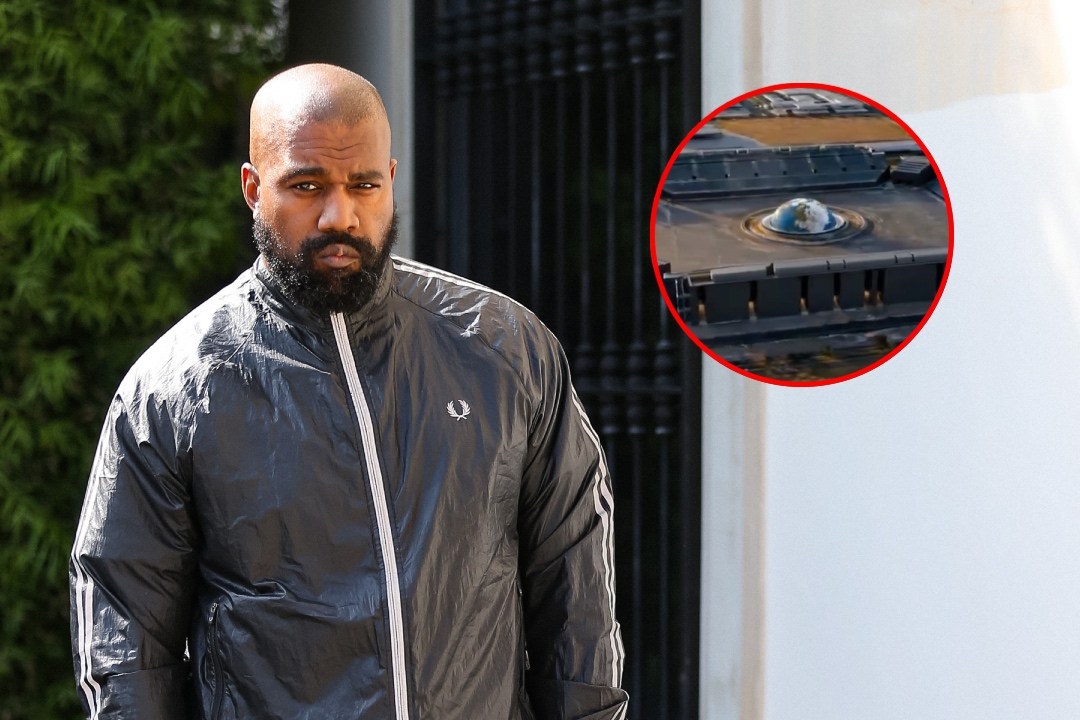
Albania will host Ye on July 11 in Tirana, where promoters plan to build a temporary stadium boosting Air Albania's 22,500 capacity to 60,000, featuring the same half‑globe stage from his LA comeback. Officials framed the move as an economic and tourism play.
Europe’s cultural gatekeepers have been fracturing for months: festivals and governments weighing the fallout of letting Ye onstage after his antisemitic comments, while fans and promoters try to salvage a touring season. In that context, Albania’s decision to press ahead with a July 11 show in Tirana feels like a pointed counterexample — and a logistical one.
The rapper will headline a summer concert in Tirana at the Air Albania complex. The stadium normally holds about 22,500 people, but promoters say the venue will build a purpose‑built temporary structure that can stretch capacity up to 60,000 for the night. The stage will reportedly include the same massive half‑globe rig Ye used during his comeback shows in Los Angeles earlier this month, a design choice that turned the LA sets into a kind of planetary centerpiece for the performer’s return.
The Prime Minister’s Office in Albania told local outlet BIRN that the decision is grounded in economics, noting that it is an obligation to welcome and facilitate events that bring benefits to tourism and the local economy. The statement emphasized that the concert “will have an extraordinary impact on the promotion of tourism and the local economy,” framing the show as a cultural export and a revenue driver rather than merely an entertainment event.
Speaking to BIRN and through promoter statements, officials have leaned into that economic argument. The plan to erect a temporary bowl around Air Albania suggests significant investment: temporary grandstands, crowd-control infrastructure, and the half‑globe staging will all be built specifically for the one-night event, according to the promoter.
Elsewhere, the practicalities that pushed Ye out of other European slots are still playing out. The U.K. barred him from entering, which led to the cancellation of his planned Wireless Festival headline for 2026. Similar cancellations and postponements have hit proposed dates in Poland and Switzerland, and a June show in France was postponed. Those moves followed the backlash to his widely reported antisemitic remarks, which have complicated touring logistics and local government approvals across the continent.
For Ye, this Albanian date arrives amid a flurry of image‑management and refocused live strategy. His Los Angeles comeback shows earlier this month were the clearest signal that he still commands a devoted audience and wants those performances to look like singular, branded events — the half‑globe stage was as much a visual statement as it was a practical centerpiece for arena choreography.
What this all means for live music is messy: promoters who can solve permits and build temporary capacity will try to cash in, while national governments and festival organizers weigh public sentiment and policy. Albania’s line is explicit and transactional — bring the crowd, boost tourism — but it won’t necessarily end the broader debate over platforming controversial figures.
Whether the temporary stadium becomes a one‑off spectacle or a template for other promoters willing to navigate the controversy remains to be seen. For now, July 11 is the date to watch: a high‑capacity gamble that tests where economics, optics, and popular demand collide in 2026’s live music landscape.