Physical Address
304 North Cardinal St.
Dorchester Center, MA 02124
Physical Address
304 North Cardinal St.
Dorchester Center, MA 02124
Maurice "Mopreme" Shakur filed a new wrongful death suit against Duane "Keefe D" Davis in Los Angeles, alleging a "complex conspiracy" in Tupac's 1996 killing and citing new evidence from recent media. Davis is already awaiting a criminal trial set for Aug. 10.
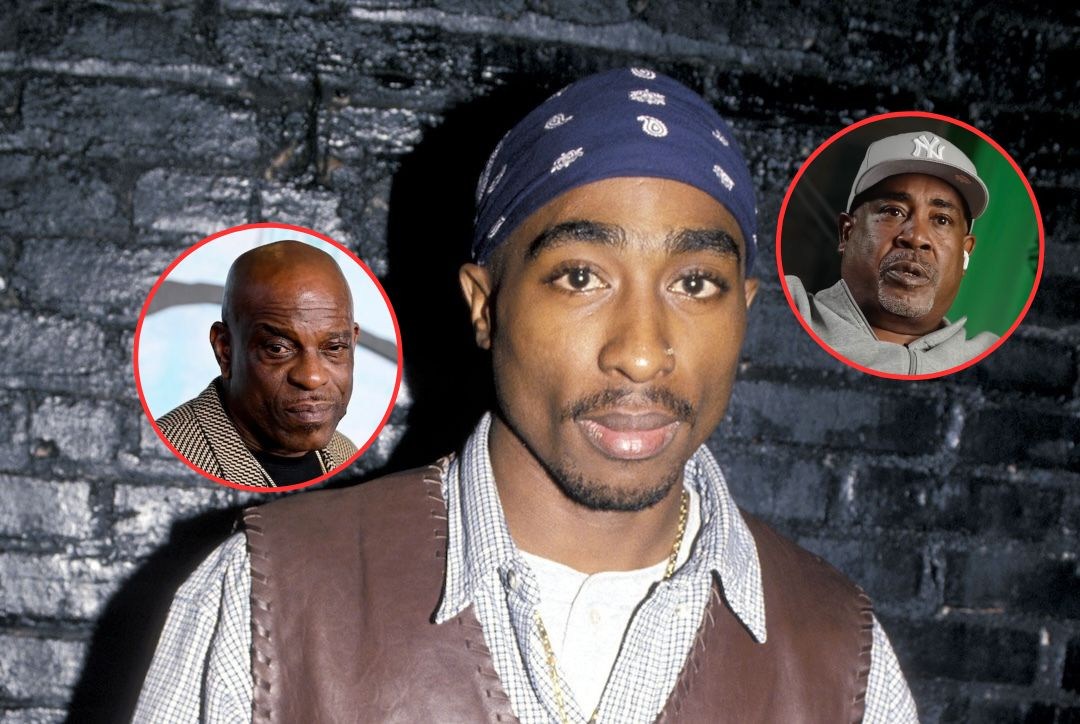
The shooting that hollowed out hip-hop’s summer of 1996 has never stopped echoing. Three decades after Tupac Shakur was killed on a Las Vegas strip, his family — led this week by his stepbrother Maurice “Mopreme” Shakur — has reopened a civil front in search of answers and accountability.
According to a Los Angeles Times report, Mopreme filed a wrongful death lawsuit in Los Angeles Superior Court on April 28, naming Duane “Keefe D” Davis and a roster of unidentified co-conspirators. The complaint frames the killing as part of a “complex conspiracy” rather than a simple street retaliation, and it explicitly stretches beyond the familiar cast of characters tied to the 1996 drive‑by.
“Many individuals who were involved have long since passed away, while others have been hard to identify,” the complaint reads. “Yet, one thing is certain: there remain individuals who were involved in Tupac’s murder who, for 30 years, have not been held accountable for their crimes. This action seeks to change that.”
Mopreme lists Davis alongside “John Does 1 through 100” as possible participants who might have “participated in planning, financing, directing, or carrying out the conspiracy.” The filing cites material that, according to the suit, was not available during the family’s earlier 1997 wrongful death action.
Elsewhere in the complaint, the family points to recent media as a source of new leads — specifically the Netflix documentary Sean Combs: The Reckoning, which the suit says contains an on‑camera claim by Davis that Sean “Diddy” Combs might have offered him a seven‑figure sum to arrange killings, including those of Tupac and former Death Row Records co‑founder Suge Knight. Diddy has repeatedly denied any role in Tupac’s murder.
The civil case arrives as criminal proceedings against Davis move forward. Arrested in Las Vegas in September 2023, Duane “Keefe D” Davis is jailed and faces a murder charge alleging use of a deadly weapon with the intent to promote, further or assist a criminal street gang for the September 7, 1996 shooting. Prosecutors say Davis secured the firearm used in the drive‑by and was present when Tupac was struck.
Two of the other occupants in the vehicle long suspected in the case are dead: Davis’s nephew Orlando Anderson — the alleged triggerman in many accounts — was killed in a 1998 shootout, and the other occupants have also since died. The commonly told thread ties Tupac’s murder to an earlier scuffle between Tupac, Death Row associates and Anderson after a Mike Tyson fight on the night of the shooting.
Keefe D has entered a not guilty plea; his criminal trial is scheduled to begin on August 10. The new civil suit, by contrast, aims to broaden the net and pressure witnesses and institutions to surface documents or testimony that were previously unavailable or overlooked.
Speaking to the Los Angeles Times, the filing’s tone makes clear its intent: not only to name a suspect but to force a wider accounting of the circumstances that allowed a leading figure in hip‑hop to be killed and left unsolved for decades. Whether the suit will unearth decisive new evidence remains uncertain, but it reasserts a family determination to keep the case in public view.
Whatever the courtroom outcomes — criminal or civil — the move underscores how Tupac’s death remains a living chapter in rap’s history, one that generations of artists and fans still return to when parsing violence, fame and accountability in the culture.